Nonprofit organizations across New York rely heavily on digital systems to manage donors, coordinate volunteers, process grants, organize fundraising campaigns, and maintain community outreach programs. Yet many nonprofits underestimate the importance of a strong data disaster recovery plan until a cyberattack, hardware failure, or accidental deletion suddenly disrupts operations.
For nonprofits operating on limited budgets, even a small outage can create major financial and operational consequences. Losing donor records, grant documentation, financial data, or communication systems can halt services and damage trust with supporters. That’s why modern organizations must treat data disaster recovery as a critical part of their long-term technology strategy.
Whether your nonprofit operates in Manhattan, Brooklyn, Queens, Buffalo, Rochester, Albany, or anywhere across New York, implementing a dependable data disaster recovery framework can protect your mission and ensure operational continuity during unexpected disruptions.
In this comprehensive guide, we’ll explore the importance of data disaster recovery, common threats facing nonprofits, best recovery practices, cloud solutions, cybersecurity strategies, backup systems, compliance requirements, and actionable steps organizations can take to strengthen resilience.
Nonprofit organizations handle enormous amounts of sensitive information every day. This includes donor databases, financial records, payroll systems, volunteer information, grant applications, case management files, and communication platforms. Losing access to this information can create devastating consequences.
A proper data disaster recovery strategy helps organizations restore critical systems quickly after disasters such as:
Many nonprofits mistakenly believe they are too small to become cyberattack targets. Unfortunately, attackers often focus on nonprofits because they may lack enterprise-level security protections. Without a strong data disaster recovery system, even a single ransomware attack can completely disrupt daily operations.
New York nonprofits also face increasing compliance and data privacy responsibilities. Organizations handling donor payment information or healthcare-related records must maintain secure recovery procedures to avoid legal and reputational damage.
Another major reason why data disaster recovery matters is donor confidence. Supporters expect nonprofits to protect sensitive information responsibly. A major data loss event can reduce trust and negatively impact fundraising efforts.
In today’s digital landscape, nonprofits can no longer rely solely on traditional backups. Recovery planning must include cybersecurity, cloud redundancy, VoIP continuity, remote work support, and disaster response workflows.
Organizations that invest in proactive data disaster recovery planning often experience:
For mission-driven organizations, staying operational during emergencies is not just about technology — it’s about continuing to serve communities without interruption.
Nonprofits across New York face growing digital risks every year. Understanding these threats is the first step toward building a stronger data disaster recovery plan.
Ransomware is one of the biggest cybersecurity threats affecting nonprofits today. Attackers encrypt organizational data and demand payment in exchange for restoration access. Without a reliable data disaster recovery solution, organizations may struggle to recover critical files.
Employees and volunteers frequently receive fraudulent emails designed to steal passwords or install malware. A single compromised account can expose an entire network.
Servers, hard drives, and network devices eventually fail. If backups are outdated or improperly configured, hardware failures can cause permanent data loss.
Accidental deletions, incorrect file modifications, or misconfigured systems are surprisingly common. Strong data disaster recovery systems help reverse these mistakes quickly.
New York organizations may face floods, storms, fires, or power outages that disrupt physical infrastructure and communication systems.
Although cloud platforms offer excellent flexibility, poor configurations can expose nonprofit data to unauthorized access or accidental deletion.
Nonprofits increasingly rely on VoIP systems for communication. If internet services fail during emergencies, organizations need backup communication continuity plans.
A successful data disaster recovery strategy addresses all of these risks through layered protection, regular testing, employee training, and secure infrastructure management.
Every nonprofit should build a comprehensive data disaster recovery plan tailored to its operational needs and budget.
Reliable backups form the foundation of every recovery strategy. Organizations should maintain:
Using multiple backup methods reduces the risk of total data loss.
RTO defines how quickly systems must be restored after disruptions. For nonprofits managing emergency services or donor transactions, rapid restoration is essential.
RPO determines how much data loss is acceptable between backups. Frequent backups reduce potential data loss windows.
Cloud platforms provide scalable and secure data disaster recovery solutions for nonprofits. Cloud environments often offer automated backups and geographic redundancy.
Recovery planning should work alongside cybersecurity protections such as:
Organizations should establish emergency communication workflows for employees, volunteers, donors, and stakeholders during disruptions.
Testing ensures the data disaster recovery plan actually works during real emergencies. Many organizations discover backup failures only after disasters occur.
A proactive approach allows nonprofits to minimize downtime and continue delivering critical community services even during unexpected crises.
Cloud computing has transformed the way nonprofits approach data disaster recovery. Traditional tape backups and on-premise storage systems often lack the flexibility modern organizations need.
Cloud-based recovery solutions provide several advantages:
| Benefit | Description |
|---|---|
| Scalability | Easily expand storage as nonprofit needs grow |
| Remote Access | Access systems securely from anywhere |
| Redundancy | Data stored across multiple locations |
| Automation | Automatic backups reduce manual errors |
| Cost Efficiency | Lower infrastructure costs |
| Security | Advanced encryption and monitoring |
For nonprofits with remote employees or hybrid work environments, cloud infrastructure supports operational flexibility while improving recovery readiness.
Modern cloud-based data disaster recovery systems also integrate with VoIP communication platforms, allowing organizations to maintain phone operations during outages.
Another advantage is simplified compliance management. Many cloud providers include built-in security and retention controls that help nonprofits meet industry regulations.
However, nonprofits should carefully evaluate cloud vendors based on:
Working with experienced IT service providers can help organizations implement secure and effective cloud recovery solutions.
Cybersecurity and data disaster recovery now go hand in hand. Recovery planning alone is not enough if organizations fail to prevent attacks in the first place.
Strong cybersecurity reduces the likelihood of data breaches and minimizes recovery complexity.
Important security measures include:
MFA adds extra protection against unauthorized account access.
Staff education helps prevent phishing attacks and accidental security mistakes.
Laptops, desktops, and mobile devices should include antivirus protection and monitoring tools.
Advanced email filtering helps block malware and phishing campaigns before they reach users.
Continuous monitoring identifies suspicious activity early before attacks spread across systems.
Limiting user permissions reduces the risk of insider threats and accidental changes.
Nonprofits should also create incident response procedures that align with their data disaster recovery strategy. Quick response times can dramatically reduce damage during cyber incidents.
Organizations that combine cybersecurity with recovery planning build far stronger resilience against modern threats.
Communication is critical during emergencies. That’s why VoIP technology plays an important role in modern data disaster recovery planning.
Unlike traditional phone systems, cloud-based VoIP services allow nonprofits to maintain communication even if physical offices become inaccessible.
VoIP disaster recovery advantages include:
For nonprofits serving vulnerable communities, uninterrupted communication is essential during crises. Reliable VoIP infrastructure helps organizations stay connected with donors, volunteers, staff, and clients.
When integrated properly, VoIP systems strengthen overall data disaster recovery readiness and operational flexibility.
Building an effective data disaster recovery framework requires ongoing planning and continuous improvement.
Identify the most critical systems and vulnerabilities affecting your organization.
Automated backups reduce human error and ensure consistent protection.
Encrypt sensitive nonprofit data both during storage and transmission.
Maintain duplicate systems and backup internet connections whenever possible.
Ensure third-party providers meet recovery and security standards.
Create step-by-step recovery instructions for IT staff and leadership teams.
Simulated disaster exercises help staff respond effectively during real incidents.
Stay updated on evolving cybersecurity and privacy regulations.
Organizations that prioritize these best practices improve resilience and reduce operational disruptions.
Many nonprofits lack dedicated in-house IT departments capable of managing advanced data disaster recovery systems. Partnering with experienced IT service providers can deliver major advantages.
Managed IT providers help nonprofits:
An experienced technology partner also helps organizations scale their recovery systems as operational needs evolve.
For nonprofits across New York, professional IT support can provide enterprise-level protection without the cost of maintaining a large internal technology team.
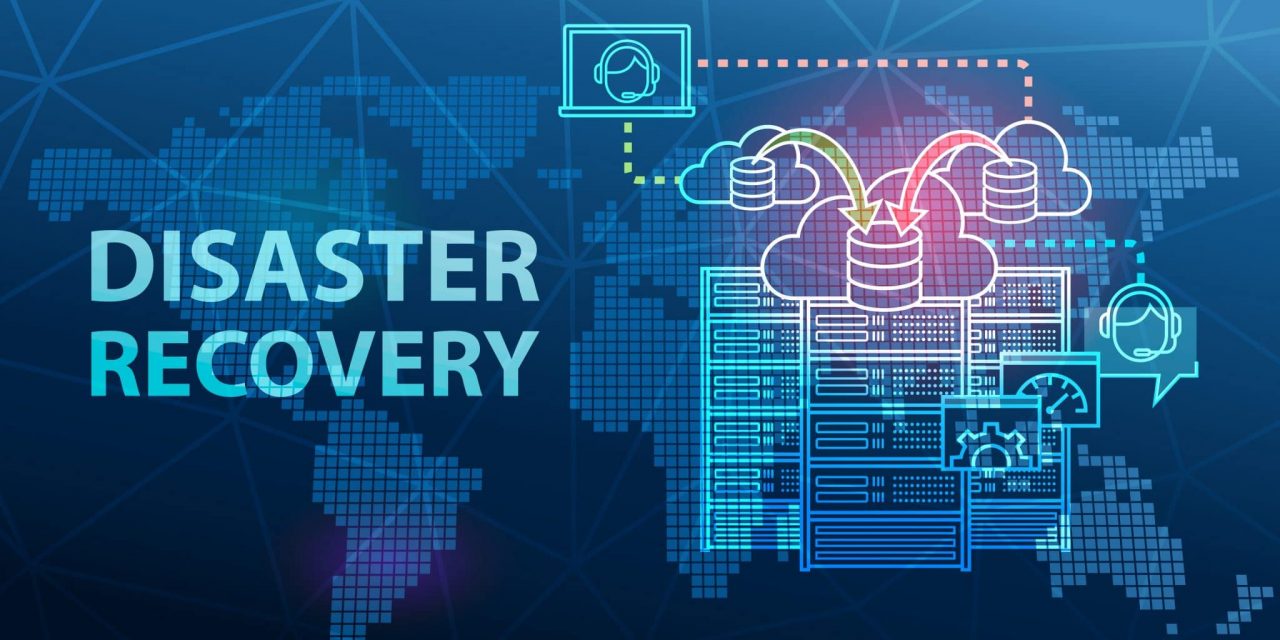
Data disaster recovery refers to the process of restoring systems, applications, and information after cyberattacks, hardware failures, natural disasters, or other disruptions.
Nonprofits rely heavily on donor data, financial systems, and communication tools. Recovery planning helps organizations continue operating during emergencies.
Most organizations should perform daily backups, while critical systems may require hourly or continuous backup protection.
Yes. Cloud solutions offer scalability, redundancy, remote access, and automated backup capabilities.
Ransomware attacks remain one of the largest threats facing nonprofits today.
VoIP systems enable remote communication continuity during outages or office disruptions.
Modern nonprofit organizations can no longer afford to overlook the importance of data disaster recovery. From ransomware attacks and hardware failures to natural disasters and human error, operational risks continue to grow every year.
For nonprofits across New York, protecting sensitive donor information, maintaining communication systems, and ensuring service continuity are essential responsibilities. A strong data disaster recovery strategy helps organizations reduce downtime, improve resilience, and maintain community trust during unexpected disruptions.
By combining secure backups, cloud infrastructure, cybersecurity protections, and reliable VoIP systems, nonprofits can create a comprehensive technology foundation that supports long-term success.