
Cybersecurity has become one of the most critical concerns for nonprofit organizations across New York. As nonprofits increasingly rely on digital systems to manage donor information, volunteer records, fundraising campaigns, financial transactions, and community outreach programs, cybercriminals are finding more opportunities to exploit security weaknesses. Unfortunately, many nonprofit organizations operate with limited technology budgets and small internal IT teams, making them attractive targets for cyberattacks.
One of the most effective ways to protect organizational data and systems is through advance endpoint security. Every laptop, desktop, mobile device, tablet, server, and remote workstation connected to a network represents a potential entry point for cybercriminals. Without proper protection, a single compromised device can expose sensitive information, disrupt operations, and cause significant financial and reputational damage.
At Iconyx Technology, we help nonprofit organizations throughout New York implement comprehensive advance endpoint security solutions that reduce cyber risks, strengthen compliance, and improve operational resilience. In this guide, we’ll explain what advance endpoint security is, why nonprofits need it, common threats it addresses, and how organizations can build stronger cybersecurity defenses.
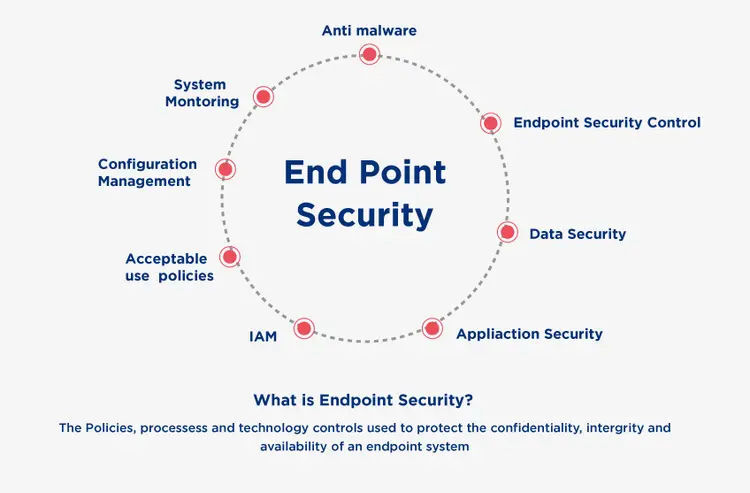
Advance endpoint security refers to a comprehensive cybersecurity approach focused on protecting all endpoint devices connected to an organization’s network.
Endpoints typically include:
Unlike traditional antivirus software, advance endpoint security combines multiple layers of protection to detect, prevent, and respond to sophisticated cyber threats.
Modern advance endpoint security solutions often include:
For nonprofit organizations, implementing advance endpoint security helps protect sensitive information while supporting daily operations.
Many nonprofit organizations assume cybercriminals primarily target large corporations. In reality, nonprofits are increasingly targeted because attackers often view them as having fewer cybersecurity resources.
Without advance endpoint security, nonprofits may face:
| Cyber Risk | Organizational Impact |
|---|---|
| Ransomware Attacks | Operational disruption |
| Data Breaches | Donor information exposure |
| Phishing Scams | Financial losses |
| Malware Infections | System downtime |
| Unauthorized Access | Compliance violations |
Because nonprofits handle donor data, financial records, volunteer information, and confidential communications, strong endpoint protection is essential.
At Iconyx Technology, we help nonprofits strengthen cybersecurity through customized advance endpoint security strategies designed specifically for mission-driven organizations.
Modern advance endpoint security uses multiple security layers to identify and stop threats before they spread across organizational systems.
Security systems block malicious files and suspicious activities before they execute.
Advanced monitoring identifies unusual device behavior that may indicate compromise.
Continuous surveillance allows rapid threat detection and response.
Security tools can isolate infected devices automatically.
IT administrators manage all endpoints from a single dashboard.
These capabilities make advance endpoint security significantly more effective than traditional antivirus software alone.
Cybercriminals constantly develop new attack methods. Effective advance endpoint security helps organizations defend against a wide variety of threats.
Ransomware encrypts files and demands payment for restoration.
Nonprofits often struggle to recover from ransomware attacks without proper security controls.
Fraudulent emails attempt to steal login credentials or financial information.
Malicious software can compromise systems, steal data, and disrupt operations.
Accidental or intentional employee actions may expose sensitive information.
Previously unknown software vulnerabilities can create serious risks.
Comprehensive advance endpoint security solutions provide protection against these evolving threats.
Remote and hybrid work environments have expanded cybersecurity challenges significantly.
Employees and volunteers frequently access organizational systems from:
Without advance endpoint security, remote devices may become weak points within organizational networks.
Benefits include:
Protected connections reduce unauthorized access risks.
Organizations ensure devices meet security standards.
IT teams monitor remote systems effectively.
Sensitive information remains secure regardless of location.
At Iconyx Technology, we help New York nonprofits secure remote work environments through modern advance endpoint security solutions.
Organizations evaluating cybersecurity solutions should understand the essential features offered by advance endpoint security platforms.
EDR systems continuously monitor endpoints for suspicious behavior.
AI-powered security tools identify threats more quickly than traditional methods.
Security systems leverage global threat data to improve protection.
Encryption protects sensitive data if devices are lost or stolen.
Unauthorized software installations can be restricted.
Together, these features strengthen overall organizational security posture.
Many nonprofit organizations must comply with various data protection regulations and industry standards.
Depending on organizational activities, compliance requirements may involve:
Strong advance endpoint security supports compliance by:
| Compliance Requirement | Security Benefit |
|---|---|
| Data Protection | Reduced exposure |
| Access Controls | Improved accountability |
| Audit Trails | Better monitoring |
| Incident Response | Faster remediation |
Proper cybersecurity practices help organizations reduce regulatory risks and maintain stakeholder trust.
Technology downtime can severely affect nonprofit operations.
Fundraising campaigns, donor communication, volunteer management, and community programs all depend on reliable technology systems.
Professional advance endpoint security helps reduce downtime through:
Potential issues are identified before they escalate.
Some threats can be neutralized automatically.
Problems are discovered more quickly.
Security teams can address threats immediately.
Reducing downtime helps nonprofits remain focused on serving their communities effectively.
Some organizations hesitate to invest in cybersecurity because of budget concerns.
However, the cost of a cyberattack often exceeds the cost of prevention.
Potential attack-related expenses may include:
Investing in advance endpoint security provides long-term protection while reducing financial and reputational risks.
For nonprofits, cybersecurity should be viewed as a mission-critical investment rather than an optional expense.
Many nonprofits rely heavily on cloud-based applications for collaboration, fundraising, donor management, and communication.
Cloud adoption creates new security challenges requiring comprehensive endpoint protection.
Advance endpoint security supports cloud environments through:
User credentials receive additional safeguards.
Suspicious activity is detected quickly.
Organizations maintain visibility into cloud usage.
Sensitive information remains protected.
As cloud technology adoption continues growing, endpoint security remains an essential component of overall cybersecurity strategy.
Cybersecurity continues evolving rapidly as threats become more sophisticated.
Several emerging trends are shaping the future of advance endpoint security.
AI-driven detection capabilities continue improving.
Organizations increasingly verify every access request.
Broader threat visibility improves security effectiveness.
Advanced tools proactively search for hidden threats.
Growing remote work environments require stronger endpoint controls.
Organizations adopting these innovations will likely remain better protected against future cyber threats.
For official cybersecurity guidance, organizations can visit Cybersecurity and Infrastructure Security Agency (CISA)
Advance-endpoint security is a comprehensive cybersecurity solution designed to protect devices connected to organizational networks.
Nonprofits store sensitive donor, financial, and operational data that cybercriminals frequently target.
It includes advanced threat detection, monitoring, automated response, behavioral analysis, and centralized management.
Yes. It helps secure remote devices, users, and network connections.
While no solution guarantees complete protection, it significantly reduces ransomware risks through detection and prevention capabilities.
Yes. The financial and reputational costs of cyberattacks often exceed cybersecurity investment costs.
Cybersecurity threats continue growing in both frequency and sophistication, making endpoint protection more important than ever for nonprofit organizations. Every laptop, mobile device, workstation, and cloud-connected endpoint represents a potential target for cybercriminals seeking to exploit vulnerabilities and gain unauthorized access to sensitive information.
Implementing advance-endpoint security helps nonprofits strengthen cybersecurity, protect donor information, support remote work environments, maintain regulatory compliance, and reduce operational disruptions caused by cyber incidents. By proactively addressing endpoint risks, organizations can improve resilience and focus more effectively on their mission.
At Iconyx Technology, we are committed to helping nonprofit organizations throughout New York build stronger cybersecurity foundations through customized advance-endpoint security solutions. Our experienced team provides proactive monitoring, endpoint protection, cloud security support, VoIP security expertise, and comprehensive IT services designed to keep nonprofit organizations secure, productive, and prepared for the evolving digital landscape.

Empowering your business with complete IT services and solutions management. We provide the high-performance managed IT support and secure technical foundation you need to streamline operations, protect your critical data, and keep your team seamlessly connected anywhere in the world.