Your nonprofit’s mission depends on communication. Donors need to reach you. Clients need timely answers. Volunteers need schedules and support. Staff need to coordinate across offices, field sites, and home workspaces. When communication tools are fragmented—a phone system here, an email platform there, a video app nobody can log into—the mission slows down. Unified communications changes that. By bringing voice, video, messaging, conferencing, and mobility into one integrated platform, unified communications eliminates the gaps that drain productivity and damage relationships. At Iconyx Technology, we help New York nonprofits deploy unified communications that fits their budgets, compliance needs, and real-world workflows.
This guide exposes five crippling communication problems that unified communications instantly solves. You will learn what unified communications really means for a nonprofit, how it supports remote and field staff, why it strengthens disaster resilience, and how it improves donor and client experiences. Whether you run a small community center in Queens or a statewide organization with offices in Buffalo and Long Island, unified communications can transform the way your team works. Let’s dive into the problems—and see exactly how unified communications solves them.
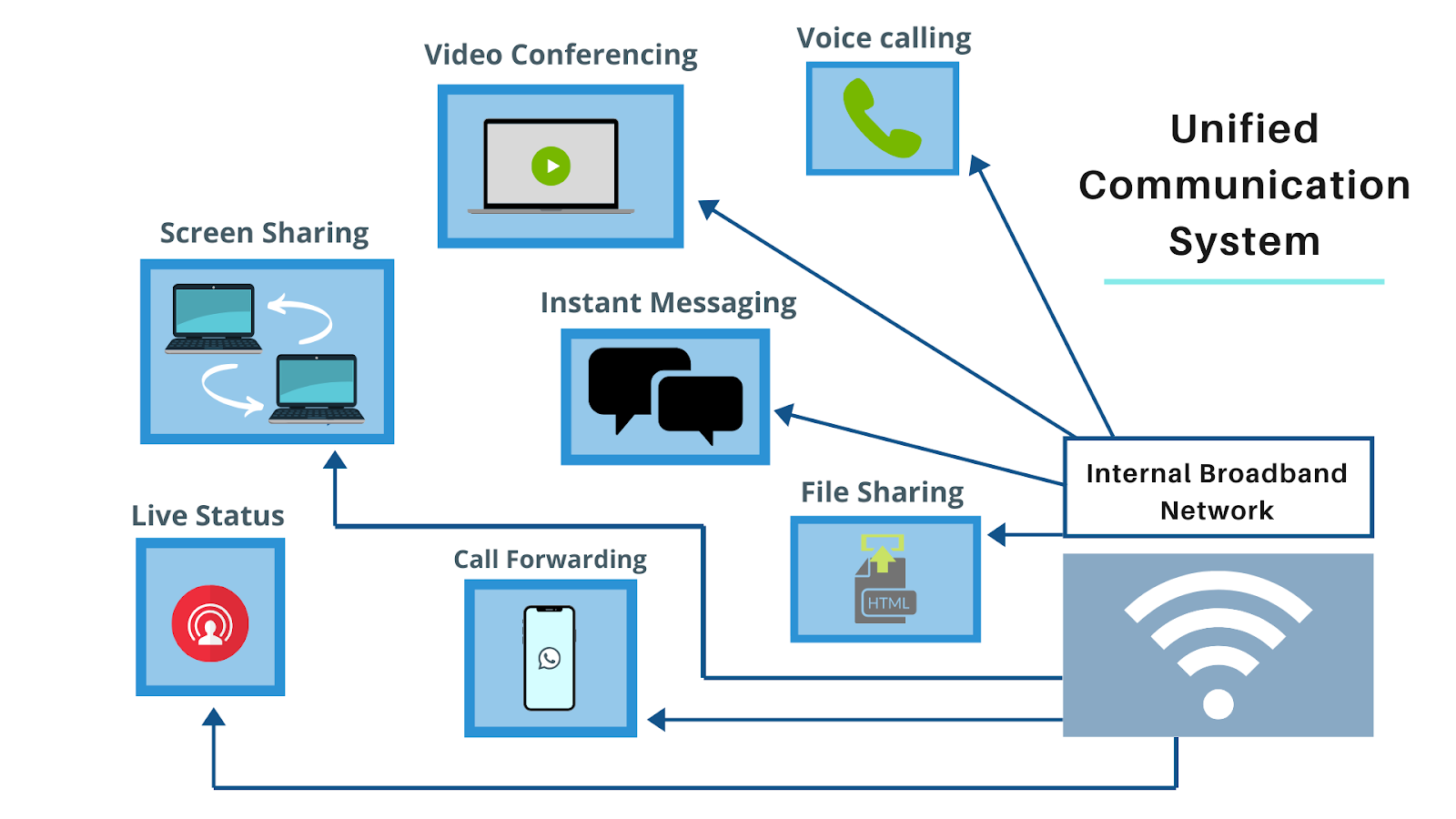
Unified communications is an integrated approach to business communication that combines multiple channels—voice calling, video conferencing, instant messaging, presence, voicemail, email integration, and mobility—into a single platform. Instead of juggling separate apps and systems, staff access everything through one interface. A call can become a video meeting. A voicemail can appear as an email with transcription. A chat can escalate to a phone call. Unified communications makes these transitions seamless.
For New York nonprofits, unified communications matters because resources are limited and coordination is essential. A unified communications platform reduces the number of tools staff must learn, lowers costs by consolidating vendors, and improves reliability by centralizing infrastructure. It also supports hybrid work: caseworkers in the field, development officers meeting donors, and volunteers answering helplines can all use the same unified communications system from any device. When unified communications is designed well, it becomes invisible—staff simply communicate, and the technology handles the rest.
Most nonprofits operate with a patchwork of communication tools. The front desk uses a legacy phone system. Program staff use personal cell phones. Development uses an email marketing platform. Volunteers use a free messaging app. Video calls happen on whatever link someone remembers to send. This fragmentation creates chaos. Staff waste time switching between apps, looking up numbers, and repeating information. Donors get inconsistent experiences. Clients fall through the cracks.
Unified communications eliminates fragmentation by bringing every channel into one platform. Staff see presence information—who is available, who is on a call, who is offline. They can send a chat, start a call, or launch a video meeting from the same interface. Voicemails appear in the same inbox as messages. Unified communications also integrates with donor databases and client management systems, so a call can trigger a screen pop with the caller’s record. Iconyx Technology designs unified communications deployments that consolidate tools and simplify workflows for nonprofits. When unified communications replaces the patchwork, staff spend less time on technology and more time on mission.
New York nonprofits are increasingly mobile. Caseworkers visit clients at home. Outreach teams work in the community. Development officers travel to donor meetings. Volunteers answer calls from apartments in Brooklyn or Albany. Traditional phone systems anchor staff to desks. Remote workers use personal phones, expose private numbers, and miss calls. Field staff cannot transfer calls or access the directory. Collaboration breaks down.
Unified communications solves this by extending the full communication experience to any device. A unified communications mobile app turns a smartphone into an office extension. Staff make and receive calls using the organization’s number, transfer calls to colleagues, join conference calls, and check voicemail—all from the field. Presence and messaging keep remote teams connected. Unified communications also supports softphones on laptops, so home-based staff can work as if they were in the office. Iconyx Technology configures unified communications with mobile-first features so your field staff, remote workers, and volunteers stay connected wherever they are. When unified communications supports mobility, your mission reaches further.
New York nonprofits face storms, power outages, building closures, and infrastructure failures. When a traditional phone system loses power or its physical connection is severed, the organization goes silent. Donors cannot reach you. Clients in crisis get a busy signal. Staff cannot coordinate. A communication outage during an emergency compounds the crisis and undermines trust.
Unified communications provides built-in resilience. Because unified communications platforms are hosted in redundant data centers, your phone system remains operational even when your office is dark. Calls can be automatically routed to mobile devices, home phones, or voicemail. If one data center fails, the unified communications platform fails over to another. Staff can send messages, join video calls, and access voicemail from anywhere with internet access. Iconyx Technology designs unified communications with automatic failover and disaster recovery rules, so your main number stays alive through any disruption. For nonprofits that provide essential services, unified communications is not a convenience—it is a continuity lifeline.
Nonprofits often pay too much for communication because they buy separate services from separate vendors. One vendor for desk phones. Another for conferencing. Another for messaging. Another for voicemail. Each vendor sends its own bill, requires its own support call, and imposes its own contract terms. The result is higher costs, more administrative work, and finger-pointing when something breaks.
Unified communications consolidates vendors and reduces costs. A single unified communications platform replaces multiple services with one subscription. Unlimited calling plans eliminate per-minute charges. Video conferencing and messaging are included rather than purchased separately. Support is centralized, so there is one number to call when something goes wrong. Unified communications also reduces hardware costs by supporting softphones and mobile apps instead of proprietary desk phones. Iconyx Technology helps nonprofits evaluate unified communications pricing and design a cost-effective deployment. We show you how unified communications can lower your monthly communication spend while improving features and reliability. When unified communications replaces redundant vendors, your budget goes further.
Every call to your nonprofit is a relationship moment. A donor calling to make a gift. A client seeking services. A volunteer confirming a shift. A grant-maker asking a question. If the experience is poor—long hold times, confusing menus, dropped calls, no one available—the relationship suffers. Donors give less. Clients disengage. Volunteers drift away. A fragmented communication system makes these poor experiences inevitable.
Unified communications elevates the experience with intelligent call routing, auto-attendants, call queues, and CRM integration. A unified communications platform can route a donor call directly to the development officer based on caller ID. It can present a screen pop with the donor’s history, so the conversation starts with context. It can offer call-back options instead of long holds. It can route client calls to the right program staff. Unified communications also provides analytics—call volumes, wait times, abandoned calls—so you can improve service continuously. Iconyx Technology designs unified communications call flows that reflect your brand and respect your callers. When unified communications is configured well, every call becomes an opportunity to strengthen trust.
Beyond solving these five problems, unified communications aligns with needs unique to nonprofits operating in New York. First, unified communications supports multi-site coordination. Nonprofits with offices in the five boroughs, Long Island, Westchester, and upstate can connect all sites on one platform. Staff dial extensions, transfer calls, and join meetings as if they were in the same building. Unified communications creates a unified organizational culture across geography.
Second, unified communications supports seasonal scalability. When you launch a summer program, hire temporary staff, or run an end-of-year fundraising campaign, you can add users in minutes. When the season ends, you scale back just as quickly. Unified communications ensures you never pay for idle capacity.
Third, unified communications helps nonprofits demonstrate technological competence to funders. Grant applications increasingly ask about communication capacity, disaster resilience, and operational efficiency. Proposing unified communications signals that your organization is a responsible steward of funds. Unified communications projects can even be partially supported through technology grants offered by New York foundations focused on digital transformation for social good.
Not all unified communications platforms are identical. When evaluating unified communications for your nonprofit, look for these essential features:
Voice calling with unlimited U.S. and Canada plans to eliminate per-minute charges.
Video conferencing and screen sharing built into the same platform.
Instant messaging and presence for quick coordination.
Voicemail-to-email with transcription for rapid response.
Mobile apps for field staff and remote workers.
Auto-attendant and call routing to direct donors and clients efficiently.
Call queues and call-back options for high-volume periods.
CRM integration to display donor and client records during calls.
Disaster failover to mobile devices and alternate locations.
Analytics and reporting on call volumes, wait times, and team responsiveness.
Iconyx Technology preconfigures each unified communications deployment with these features, tailoring the solution to your organization’s workflows. We train your team, monitor performance, and ensure that unified communications delivers maximum value from day one.
The thought of replacing your communication tools can feel daunting, but migrating to unified-communications is smoother than most nonprofits anticipate. A professional partner like Iconyx Technology begins with an assessment. We inventory your current phone, video, messaging, and collaboration tools. We analyze costs, workflows, and pain points. We then design a unified-communications plan that meets your needs and fits your budget. The migration process includes porting your existing phone numbers—so donors and clients notice no change—and configuring the unified-communications platform to work with your internet connection and devices. We schedule the transition to minimize disruption, often over a weekend or during low-activity periods.
Because unified-communications uses familiar interfaces—desk phones, web portals, and mobile apps—staff adoption is rapid. Within days, your team uses unified-communications to make calls, join video meetings, send messages, and check voicemail. Iconyx Technology provides post-migration training and ongoing support, ensuring that your unified-communications investment continues to deliver value as your organization grows.
Consider a mid-sized New York nonprofit with 30 staff members. Fragmented tools might include a legacy phone system at $1,200 per month, a separate video conferencing subscription at $300 per month, a messaging app at $150 per month, and IT support for multiple systems. Over five years, the total cost can exceed $100,000—plus the hidden costs of downtime, lost productivity, and poor donor experiences. A unified-communications platform for the same organization might cost $25–$45 per user per month—$750–$1,350 monthly—with calling, video, messaging, and voicemail included. Over five years, the total is $45,000–$81,000, with fewer vendors, lower support burden, and better reliability. Unified-communications not only costs less but delivers more value.
Q: Do we need a fast internet connection for unified-communications?
A: Unified-communications works well on standard broadband. Iconyx Technology assesses your connection and recommends upgrades if needed. Most nonprofits find their existing internet is sufficient.
Q: Is unified-communications reliable during power outages?
A: Yes. Unified-communications is hosted in redundant data centers. Calls can be routed to mobile devices or voicemail automatically when your office loses power.
Q: Can we keep our existing phone numbers with unified-communications?
A: Yes. Unified-communications supports number porting, so donors and clients notice no change. Iconyx Technology handles the porting process.
Q: Is unified-communications secure for sensitive conversations?
A: Yes. Unified-communications includes encryption for calls, messages, and signaling. Iconyx Technology configures security best practices to protect sensitive data.
Q: Can unified-communications work for a small nonprofit?
A: Absolutely. Unified-communications is scalable and affordable for organizations of all sizes. Small nonprofits can start with core features and add capacity as they grow.
We are not just resellers of a generic platform. Iconyx Technology is a New York-based IT and VoIP firm that has spent years serving the local nonprofit community. We understand the funding constraints, compliance landscape, and operational rhythms of mission-driven organizations. When you choose unified-communications from us, you get a solution architected for the way you work: integrated, reliable, and mission-focused. Our unified-communications solutions are backed by local support, responsive service, and a genuine commitment to your success. We will be your unified-communications advisor, not just a vendor, and we will stand with you as your communication needs evolve.
Your communication tools should not be a source of constant frustration. Those five crippling problems—fragmented tools, poor remote support, weak disaster resilience, high costs, and poor donor experiences—are all correctable with unified-communications. Imagine a future where your staff communicate seamlessly from anywhere, your donors reach the right person immediately, your systems survive any disruption, and your costs are predictable. That future is what unified-communications delivers, and it is available right now through Iconyx Technology.
Do not let another quarter go by with fragmented tools that quietly undermine your fundraising and service delivery. Contact Iconyx Technology today for a free consultation and a personalized unified-communications assessment designed specifically for New York nonprofits. Let’s walk through your current pain points, calculate your potential savings, and design a unified-communications solution that amplifies your mission instead of holding it back. The shift to unified-communications is simpler, faster, and more transformative than you ever imagined—and your nonprofit deserves nothing less.