Technology plays a critical role in helping nonprofit organizations fulfill their missions. Whether managing donor databases, coordinating volunteers, supporting hybrid workforces, running cloud applications, or operating VoIP phone systems, nonprofits rely on dependable network infrastructure every day. Yet one often-overlooked component of technology success is structured cabling.
For nonprofit organizations throughout New York, investing in professional structured cabling can significantly improve network reliability, communication efficiency, cybersecurity, and long-term scalability. While organizations often focus on software and cloud solutions, the underlying physical network infrastructure remains the foundation upon which all technology systems operate.
Poorly designed cabling systems can lead to network outages, slow performance, communication issues, and expensive troubleshooting costs. In contrast, properly implemented structured cabling provides a standardized and organized infrastructure that supports both current operations and future growth.
In this comprehensive guide, we will explore the importance of structured cabling, its components, benefits, best practices, common challenges, and why New York nonprofits should prioritize a reliable cabling infrastructure as part of their technology strategy.
Structured cabling is a standardized approach to designing and organizing a building’s telecommunications and network infrastructure. Instead of relying on scattered cables installed for specific devices, structured cabling creates a unified system that supports multiple technologies and communication needs.
A typical structured cabling system supports:
The goal of structured cabling is to create an organized, scalable, and efficient network infrastructure that can support changing technology requirements over time.
For nonprofits, a professionally designed structured cabling system reduces complexity while improving reliability and operational efficiency.
Many nonprofit organizations operate with limited technology budgets and resources. As a result, network infrastructure upgrades are often delayed. However, investing in structured cabling can provide long-term value and reduce future technology expenses.
A well-designed structured cabling system ensures consistent network performance for employees, volunteers, and stakeholders.
Organizations that rely on VoIP and digital collaboration tools benefit significantly from high-quality structured cabling infrastructure.
Network disruptions can impact fundraising, donor engagement, and service delivery. Proper structured cabling helps minimize these risks.
As nonprofits expand operations, structured cabling provides the flexibility needed to accommodate additional devices and technologies.
An organized structured cabling environment simplifies troubleshooting and reduces maintenance costs.
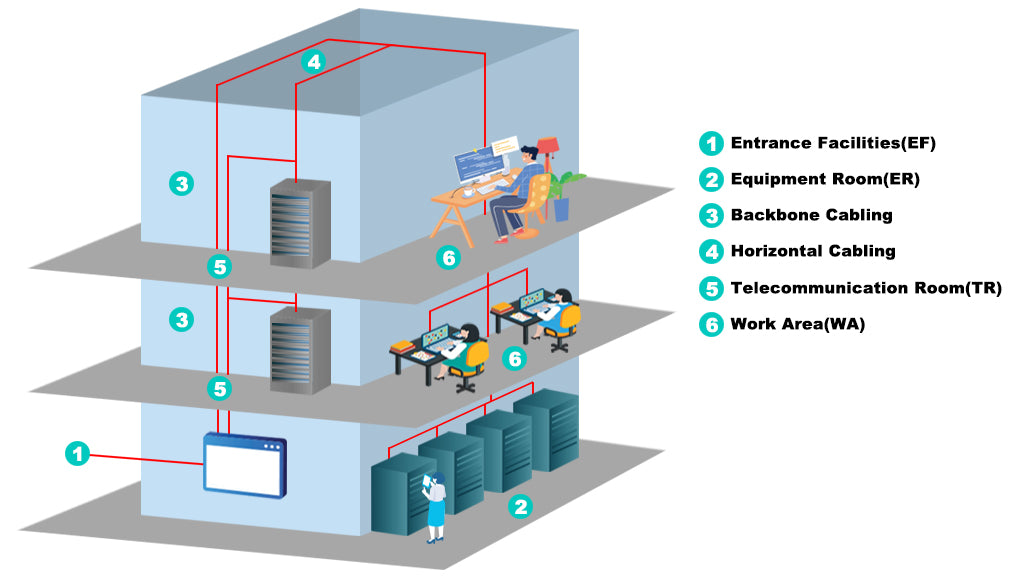
Understanding the major components of structured cabling helps organizations appreciate its value.
This area serves as the connection point between external telecommunications providers and the internal network.
Equipment rooms house critical networking devices that support the structured cabling infrastructure.
Backbone cables connect various parts of a facility and serve as the central communication pathway within a structured cabling system.
Horizontal cabling connects workstations, devices, and communication outlets to the network.
These rooms support the management and distribution of structured cabling connections throughout a facility.
User-facing devices and outlets complete the structured cabling environment.
Together, these components create a reliable and scalable network foundation.
Organizations that invest in structured cabling often experience substantial operational improvements.
One of the biggest advantages of structured cabling is enhanced network reliability and speed.
Organized cable management makes identifying and resolving issues significantly easier.
A properly designed structured cabling system reduces ongoing maintenance expenses.
As technology needs evolve, structured cabling simplifies system expansion.
Organized infrastructure creates a cleaner and more professional technology environment.
Reliable structured cabling supports uninterrupted access to mission-critical applications.
Modern technologies operate more efficiently within a well-designed structured cabling framework.
VoIP systems have become increasingly popular among nonprofit organizations due to their flexibility and cost savings.
However, VoIP performance depends heavily on network quality.
A robust structured-cabling infrastructure supports:
Without proper structured-cabling, VoIP systems may experience dropped calls, poor audio quality, and communication disruptions.
For nonprofits that rely on donor outreach and community engagement, dependable communications are essential.
Cybersecurity often focuses on software protections, but physical infrastructure also plays a role.
A professionally designed structured-cabling environment supports stronger security through:
Proper cable management reduces unauthorized physical access to network components.
Organized structured-cabling helps IT teams identify and secure critical infrastructure.
Well-structured environments simplify network monitoring and security management.
Stable infrastructure reduces opportunities for service disruptions that could impact security operations.
As cybersecurity threats continue increasing, nonprofits should consider structured-cabling an important part of their overall security strategy.
Organizations that neglect infrastructure planning often encounter challenges related to structured-cabling.
Disorganized installations create confusion and increase troubleshooting time.
Older cabling systems may struggle to support modern technologies.
Poor planning can restrict future growth and technology expansion.
Lack of documentation complicates maintenance and upgrades.
Improper structured-cabling installation can negatively impact network performance.
Understanding these challenges helps organizations make informed infrastructure decisions.
To maximize the value of structured-cabling, nonprofits should follow established best practices.
Design structured-cabling systems with scalability in mind.
Compliance with industry standards improves reliability and compatibility.
Accurate documentation simplifies future maintenance and upgrades.
Periodic reviews help identify opportunities for improvement.
Professional installation ensures the structured-cabling system performs as intended.
Organizations that follow these practices achieve greater long-term value from their technology investments.
Although structured-cabling requires an initial investment, the long-term benefits often outweigh the costs.
Reliable infrastructure minimizes costly operational disruptions.
Efficient troubleshooting reduces labor expenses.
Employees spend less time dealing with connectivity issues.
A quality structured-cabling system can support technology needs for many years.
Organizations can implement new solutions more efficiently.
For nonprofits focused on maximizing limited resources, structured-cabling delivers measurable returns.
Across New York, nonprofit organizations increasingly recognize the value of structured-cabling.
Key drivers include:
As nonprofits become more technology dependent, structured-cabling serves as a critical foundation for success.
Organizations that invest proactively are better positioned to support future growth and innovation.
At Iconyx Technology, we help nonprofit organizations throughout New York design, install, and maintain high-performance structured-cabling systems.
Our services include:
We understand the unique challenges nonprofits face and provide scalable structured-cabling solutions that align with operational goals and budget requirements.
By creating reliable infrastructure, we help organizations focus on their mission while supporting long-term technology success.
As technology continues evolving, structured-cabling will remain a foundational element of modern IT environments.
Emerging trends include:
Organizations that invest in modern structured-cabling infrastructure today will be better prepared for tomorrow’s technological demands.
Future-ready networks begin with strong physical foundations.
Structured-cabling is a standardized network infrastructure system that supports data, voice, video, and communication technologies.
Structured-cabling improves network reliability, scalability, performance, and long-term cost efficiency.
Yes. Structured-cabling provides the reliable connectivity required for high-quality VoIP communications.
A professionally installed structured-cabling system can often support technology needs for many years.
While not a security solution by itself, structured-cabling supports better infrastructure management and security practices.
Absolutely. Structured-cabling provides long-term value by improving network performance, reducing downtime, and supporting organizational growth.
For nonprofit organizations throughout New York, dependable technology infrastructure is essential for delivering services, engaging donors, supporting staff, and achieving mission-driven goals. A professionally designed structured-cabling system creates the foundation necessary to support these critical activities.
From improved network performance and VoIP reliability to stronger scalability and reduced downtime, the benefits of structured-cabling are substantial. Organizations that invest in organized and future-ready infrastructure gain a significant advantage in operational efficiency and technology readiness.
At Iconyx Technology, we specialize in helping nonprofits implement high-quality structured-cabling solutions that support long-term growth, connectivity, and innovation. By building a strong network foundation today, your organization can confidently embrace tomorrow’s technology opportunities.