Communication is the lifeline of every nonprofit organization. Whether coordinating volunteers, engaging donors, organizing fundraising campaigns, or delivering community services, nonprofits depend on reliable and affordable communication systems. Unfortunately, traditional phone systems often come with high costs, limited flexibility, and outdated technology. This is why many organizations are turning to voip communication as a smarter and more efficient alternative.
Voip communication, which stands for Voice over Internet Protocol communication, allows organizations to make and receive phone calls using an internet connection instead of traditional telephone lines. This modern approach offers advanced features, lower operating costs, and greater flexibility—advantages that are especially valuable for nonprofit organizations operating with limited budgets.
Across New York, nonprofits are embracing voip communication to improve collaboration, support remote work, and strengthen relationships with donors and stakeholders. From small charities to large nonprofit networks, organizations are discovering that internet-based phone systems offer the scalability and reliability needed in today’s fast-paced environment.
At Iconyx Technology, we specialize in helping nonprofits throughout New York implement secure and cost-effective voip communication solutions tailored to their specific needs. In this guide, we explore everything nonprofits need to know about voip communication, including its benefits, features, challenges, and future trends.
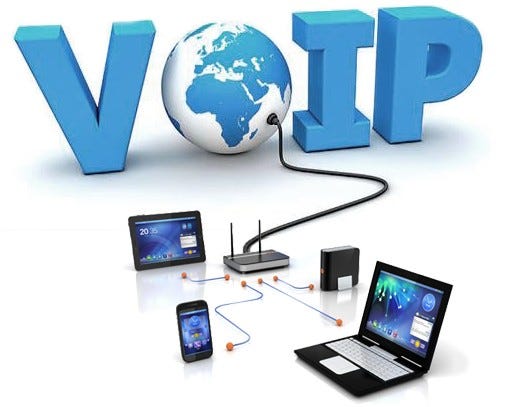
Voip communication is a technology that enables voice calls and multimedia communication over internet networks rather than traditional telephone systems.
Instead of relying on copper phone lines, voip communication converts voice signals into digital data packets and transmits them over broadband internet connections.
A typical voip communication system may include:
The primary advantage of voip communication is flexibility. Organizations can communicate from virtually anywhere while maintaining professional and reliable phone services.
Nonprofit organizations face unique challenges when it comes to communication.
Budget limitations, remote teams, and growing service demands make voip communication an attractive solution.
Traditional phone systems often involve expensive hardware and maintenance.
Voip communication significantly reduces these costs by utilizing existing internet infrastructure.
Many nonprofit employees and volunteers work from different locations.
Voip communication enables seamless collaboration regardless of geography.
As organizations grow, voip communication systems can easily expand without major infrastructure investments.
Staff members can make and receive calls from:
This flexibility makes voip communication ideal for dynamic nonprofit environments.
Understanding how voip communication works helps organizations appreciate its advantages.
The process generally involves:
When users speak, voip communication converts analog voice into digital signals.
The digital voice data travels over internet networks.
Information is divided into small packets and transmitted efficiently.
The receiving device converts the digital packets back into audio.
This process occurs almost instantly, allowing voip communication to provide clear and reliable conversations.
Modern internet speeds and network technologies have made voip communication more dependable than ever.
Organizations adopting voip communication often experience significant improvements.
One of the biggest advantages of voip communication is cost savings.
Organizations can reduce:
Employees can access voip communication services from virtually anywhere.
Features such as video meetings and team messaging improve teamwork.
Organizations can add users and features quickly.
Modern voip communication platforms include:
These features improve operational efficiency.
Remote work is becoming increasingly common among nonprofit organizations.
Fortunately, voip communication supports flexible work environments exceptionally well.
Employees can:
By implementing voip communication, nonprofits maintain productivity while supporting hybrid and remote teams.
The ability to stay connected from any location is one of the reasons voip communication continues growing in popularity.
Modern voip communication systems offer a wide range of powerful features.
Automated greetings route callers efficiently.
Calls can be redirected to different devices or users.
Many voip communication platforms include built-in video meetings.
Users receive voicemail messages directly in their email inboxes.
Smartphone applications allow employees to stay connected while traveling.
Organizations can monitor call volumes and communication performance.
These features make voip communication much more than a simple phone system.
Cloud technology and voip-communication often work together seamlessly.
Cloud-based systems provide:
Because many nonprofits already rely on cloud applications, integrating voip-communication becomes easier and more efficient.
Cloud-hosted solutions also reduce administrative responsibilities, allowing organizations to focus on their missions.
Although voip-communication offers many advantages, organizations should understand potential challenges.
Reliable internet service is essential for quality voip-communication.
Poor network management may affect call quality.
Cybersecurity remains important when implementing voip-communication.
Older technologies may require upgrades.
Employees may need assistance adapting to new systems.
Fortunately, experienced technology providers can help organizations overcome these challenges successfully.
Security should always be a priority.
Modern voip-communication systems often include advanced security features.
Recommended security practices include:
By implementing these safeguards, organizations can protect their voip-communication systems from unauthorized access and cyber threats.
Strong cybersecurity helps ensure reliability and trust.
Successful voip-communication deployments follow proven best practices.
Evaluate:
Reliable bandwidth supports high-quality voip-communication.
Implement strong cybersecurity measures.
Proper training improves user adoption and satisfaction.
Regular reviews help optimize voip-communication performance.
Expert guidance reduces risks and improves long-term success.
Following these recommendations helps organizations maximize their investment.
Across New York, nonprofits increasingly rely on voip-communication to improve efficiency and reduce costs.
Common reasons include:
As technology evolves, voip-communication continues to provide nonprofits with a competitive advantage.
Organizations embracing digital transformation are discovering that communication technology can directly support mission success.
At Iconyx Technology, we specialize in helping nonprofits implement reliable and secure voip-communication systems.
Our services include:
We understand the challenges nonprofit organizations face and design voip-communication solutions that align with their goals and budgets.
Our team works closely with clients throughout New York to deliver scalable communication systems that improve collaboration and operational efficiency.
The future of voip-communication is exciting.
Emerging innovations include:
As these technologies mature, voip-communication will become even more powerful and accessible.
Organizations investing today will be better positioned for future growth and innovation.
Voip-communication is a technology that enables voice calls and communication services over internet connections rather than traditional phone lines.
Yes. Voip-communication is especially beneficial for nonprofits because it reduces costs and supports flexible work environments.
Many voip-communication systems work with existing devices, including computers and smartphones.
Modern voip-communication platforms offer strong security features, including encryption and access controls.
Absolutely. Remote workers can access voip-communication services from virtually anywhere with internet access.
Cloud-based voip-communication offers scalability, flexibility, lower costs, and simplified management.
Effective communication is essential for nonprofit success, and traditional phone systems are no longer the only option. Voip-communication provides nonprofits with a flexible, cost-effective, and feature-rich alternative that supports modern work environments and evolving organizational needs.
From reducing communication expenses and enabling remote work to improving collaboration and enhancing donor engagement, the benefits of voip-communication are substantial. Nonprofits throughout New York are increasingly adopting these technologies to strengthen operations and maximize their impact.
At Iconyx Technology, we are committed to helping nonprofits implement reliable and secure voip-communication solutions tailored to their missions. Through expert guidance, innovative technologies, and ongoing support, we help organizations build stronger connections and achieve greater success in the digital age.