In today’s digital world, technology has become an essential part of nonprofit operations. Organizations depend on online fundraising platforms, cloud-based applications, donor databases, email systems, and remote collaboration tools to fulfill their missions effectively. However, as technology grows, so do cyber threats. This is why cybersecurity has become one of the most important investments for nonprofit organizations across New York.
Many nonprofits mistakenly believe that cybercriminals only target large corporations. In reality, nonprofit organizations are increasingly attractive targets because they often store sensitive donor information, financial records, healthcare data, and employee details while operating with limited IT resources. Without a strong cybersecurity strategy, nonprofits face significant risks including ransomware attacks, phishing scams, data breaches, and financial losses.
An effective cybersecurity program protects an organization’s systems, networks, and information from unauthorized access and malicious attacks. It combines technology, employee training, security policies, and ongoing monitoring to create a strong defense against evolving threats.
At Iconyx Technology, we specialize in helping nonprofit organizations throughout New York strengthen their technology infrastructure and improve cybersecurity readiness. In this comprehensive guide, we explain everything you need to know about cybersecurity, including common threats, essential protections, best practices, and how nonprofits can stay secure in an increasingly connected world.
Cybersecurity refers to the practices, technologies, and processes used to protect computers, networks, applications, and data from cyber threats.
The primary goal of cybersecurity is to prevent:
Modern cybersecurity combines multiple layers of protection including:
For nonprofits, investing in cybersecurity helps safeguard their missions, reputations, and donor relationships.
Nonprofits manage valuable information and rely heavily on technology.
This makes cybersecurity a critical priority.
Donors trust nonprofits with:
Strong cybersecurity protects this sensitive data.
Cyber attacks can result in:
A security incident may damage public confidence.
Reliable cybersecurity minimizes operational disruptions.
For nonprofits across New York, protecting digital assets is essential for long-term success.
Understanding common threats helps organizations strengthen cybersecurity defenses.
Criminals send deceptive emails designed to steal:
Attackers encrypt files and demand payment for restoration.
Malicious software may:
Unauthorized users access confidential information.
Employees or contractors may unintentionally compromise cybersecurity.
Attackers manipulate people into revealing sensitive information.
Awareness is the first step toward stronger protection.
A strong cybersecurity strategy provides numerous advantages.
Sensitive information remains secure.
Organizations avoid costly cyber incidents.
Many regulations require strong cybersecurity measures.
Supporters trust organizations that protect information.
Operations continue smoothly after disruptions.
Strong cybersecurity demonstrates professionalism and responsibility.
These benefits make security investments highly valuable.
Modern cybersecurity relies on several key technologies.
Firewalls monitor and control network traffic.
Antivirus tools detect and remove malicious software.
Additional verification improves cybersecurity significantly.
Devices such as:
receive advanced security monitoring.
Specialized tools block phishing attempts and spam.
Encryption protects data during storage and transmission.
Combining these technologies creates stronger defenses.
Remote work has transformed how nonprofits operate.
However, it also creates new cybersecurity challenges.
Employees working remotely may face:
Organizations can strengthen cybersecurity through:
Encrypted connections protect data.
Remote devices remain monitored and updated.
Users receive only necessary permissions.
Staff learn secure remote work practices.
Remote work security is now a vital component of modern cyber security.
Organizations should adopt proven cyber security strategies.
Passwords should include:
Additional authentication protects accounts.
Education strengthens cyber security awareness.
Security updates patch vulnerabilities.
Reliable backups improve recovery capabilities.
Restricting access reduces security risks.
Following these best practices significantly improves protection.
Cloud technology offers many advantages but also requires strong cyber security.
Organizations should:
Use strong authentication methods.
Sensitive files should remain encrypted.
Limit user access carefully.
Track suspicious behavior continuously.
Select reputable cloud vendors with proven cyber security programs.
When implemented correctly, cloud computing can improve flexibility while maintaining security.
Many nonprofits must comply with specific cyber security regulations.
Requirements may include:
Organizations protect sensitive personal information.
Payment systems require strong safeguards.
Healthcare nonprofits often face additional cyber security obligations.
Organizations must handle personal information responsibly.
Failure to comply can result in:
Compliance should remain a major priority.
Business continuity depends heavily on effective cyber security.
Security measures help organizations:
Threats are identified before causing disruptions.
Backup systems restore operations rapidly.
Essential applications remain available.
Organizations avoid expensive recovery costs.
Strong cyber security maintains stakeholder confidence.
These benefits strengthen operational resilience.
Technology continues evolving rapidly.
Several trends are shaping the future of cyber security.
AI helps identify threats faster.
Organizations verify every access request.
Systems respond to attacks instantly.
Devices receive more sophisticated defenses.
Employees become active participants in cyber security.
Staying informed about emerging technologies improves organizational readiness.
At Iconyx Technology, we understand the challenges nonprofit organizations face when protecting digital assets.
Our comprehensive cyber security services include:
We design customized cyber security solutions that fit the unique needs and budgets of nonprofits across New York.
Our goal is to help organizations stay secure, productive, and focused on their missions.
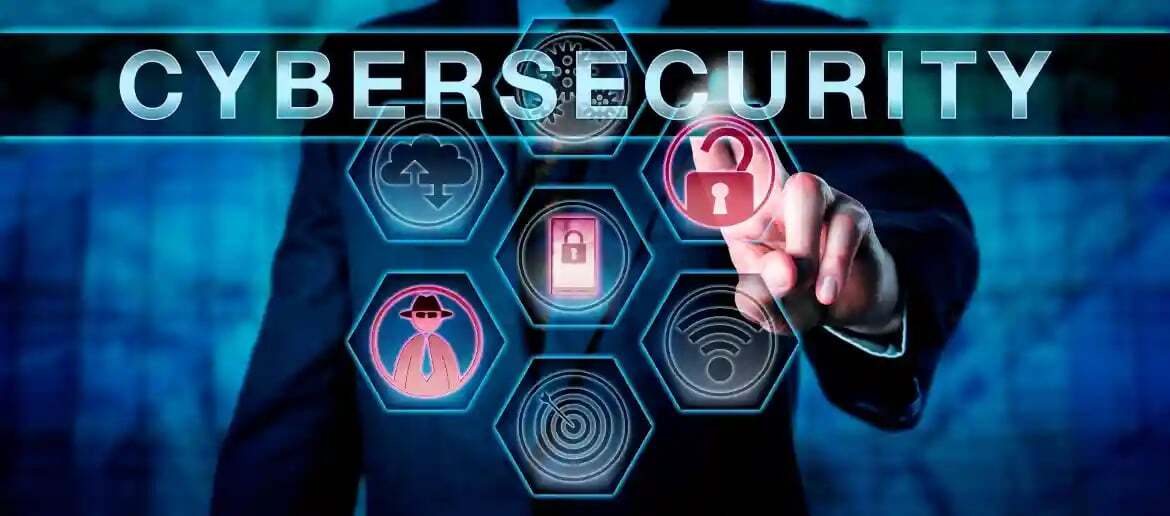
The future of cyber security will bring both challenges and opportunities.
Organizations can expect:
Artificial intelligence will improve threat detection.
Routine security tasks will become automated.
Authentication methods will continue evolving.
Cloud environments will become increasingly secure.
Organizations will share threat intelligence more effectively.
As cyber threats evolve, nonprofits must continue investing in cyber security to protect their missions and communities.
Cyber security is the practice of protecting computers, networks, systems, and data from cyber threats and unauthorized access.
Cyber security protects donor information, financial records, employee data, and organizational reputation.
Common threats include phishing attacks, ransomware, malware, insider threats, and data breaches.
Organizations can strengthen cyber security through employee training, multi-factor authentication, software updates, and regular backups.
Yes. Modern cyber security strategies include cloud security, encryption, and secure access controls.
Many nonprofits benefit from outsourcing cyber security to experienced providers who offer specialized expertise and continuous monitoring.
In an increasingly digital world, cyber security is no longer optional for nonprofit organizations. It is a critical investment that protects sensitive information, strengthens donor trust, and ensures operational continuity. From preventing ransomware attacks and phishing scams to securing cloud environments and remote workers, effective cyber security creates a strong foundation for organizational success.
For nonprofits throughout New York, partnering with experienced technology professionals can make a significant difference. The right security strategy helps organizations reduce risks, improve compliance, and focus on achieving their missions with confidence.
At Iconyx Technology, we are committed to delivering reliable cyber security solutions tailored to the unique needs of nonprofit organizations. Through proactive monitoring, advanced technology, and personalized support, we help nonprofits stay secure today and prepared for the challenges of tomorrow.