
As nonprofit organizations increasingly rely on cloud computing, remote work, mobile devices, and digital collaboration, protecting every connected device has become more critical than ever. Every laptop, desktop computer, smartphone, tablet, and server connected to an organization’s network represents a potential entry point for cybercriminals. This is why endpoint security has become one of the most important components of a modern cybersecurity strategy.
Unlike traditional antivirus software, endpoint security provides comprehensive protection for all devices connected to a network. It combines advanced threat detection, behavioral analysis, artificial intelligence, centralized management, encryption, and automated response capabilities to defend organizations against evolving cyber threats. Whether employees are working in the office, remotely, or in hybrid environments, effective endpoint security helps safeguard sensitive organizational data from ransomware, phishing attacks, malware, and unauthorized access.
For nonprofit organizations across New York, cybersecurity challenges continue growing. Limited IT budgets, smaller internal technology teams, and increasing compliance requirements make nonprofits attractive targets for cybercriminals. A single compromised device can expose donor information, financial records, volunteer databases, confidential communications, and mission-critical systems. Investing in strong endpoint security significantly reduces these risks while supporting organizational resilience.
At Iconyx Technology, we provide managed IT services, cybersecurity solutions, cloud services, VoIP communications, and strategic technology consulting for nonprofit organizations throughout New York. In this comprehensive guide, you’ll learn everything about endpoint security, including how it works, why it matters, its key benefits, implementation strategies, and best practices for protecting your organization.
Endpoint security is a cybersecurity approach that protects devices connected to an organization’s network from cyber threats.
Protected endpoints include:
Unlike basic antivirus software, endpoint security continuously monitors device activity, detects suspicious behavior, and automatically responds to threats before they spread throughout the network.
Every connected device creates potential cybersecurity risks. Endpoint security helps nonprofit organizations reduce these vulnerabilities.
Key reasons include:
Employees access organizational resources from multiple locations.
Ransomware and phishing attacks continue increasing.
Automation improves protection with smaller IT teams.
Nonprofits manage donor, volunteer, financial, and client information.
Many organizations must protect confidential information under industry standards.
Implementing endpoint security strengthens organizational resilience.
Modern endpoint security combines multiple technologies to identify and stop cyber threats.
Typical functions include:
Continuously monitor device activity.
Identify suspicious patterns.
Block viruses and malicious software.
Contain threats immediately.
Monitor all endpoints from one dashboard.
Together, these capabilities provide comprehensive protection across the organization.
An effective endpoint security platform offers advanced protection.
Detect known malware.
Prevent file encryption attacks.
Control network traffic.
Protect sensitive data.
Limit unauthorized software.
Use real-time security updates.
These features work together to reduce cybersecurity risks.
Organizations implementing endpoint security experience numerous operational advantages.
Protect devices against evolving threats.
Reduce downtime caused by attacks.
Secure confidential information.
Simplify security management.
Prevent expensive cyber incidents.
For nonprofits operating on limited budgets, prevention is far more affordable than recovery.
Remote work increases the importance of endpoint security.
Remote employees often use:
Less secure than office environments.
Require consistent protection.
Need secure access controls.
Higher exposure to cyber threats.
Bring-your-own-device policies increase risk.
Proper endpoint security protects employees wherever they work.
Modern endpoint security protects organizations against numerous cyber risks.
Prevent unauthorized encryption of files.
Detect malicious email links.
Stop viruses and spyware.
Monitor unusual user activity.
Protect login information.
Identify unknown threats using behavioral analysis.
These protections strengthen overall cybersecurity.
Organizations should avoid several common security mistakes.
Traditional antivirus alone is insufficient.
Outdated systems increase vulnerabilities.
Poor authentication creates unnecessary risks.
Human error remains a leading cause of breaches.
Continuous visibility is essential.
Avoiding these mistakes significantly improves security.
Organizations should follow proven endpoint security strategies.
Strengthen account protection.
Protect confidential information.
Install security patches promptly.
Recognize phishing and social engineering attacks.
Identify threats quickly.
Support rapid recovery after incidents.
These practices reduce organizational risk.
Many nonprofit organizations must maintain data security standards.
Endpoint security supports compliance by helping organizations:
Secure donor and client records.
Support audits.
Improve accountability.
Strengthen regulatory compliance.
Enforce organizational standards.
Compliance becomes easier with centralized security management.
Cloud adoption makes endpoint security even more important.
Cloud environments benefit from:
Protect cloud applications.
Confirm authorized users.
Secure cloud communications.
Detect suspicious activity.
Protect hybrid environments.
Cloud technologies and endpoint protection work together to create a stronger cybersecurity posture.
Nonprofit organizations throughout New York face increasing cybersecurity challenges.
Implementing endpoint-security helps organizations:
Strong cybersecurity protects both organizational reputation and mission effectiveness.
At Iconyx Technology, we provide customized endpoint-security solutions designed specifically for nonprofit organizations across New York.
Our services include:
Our experienced cybersecurity professionals help nonprofits build secure, scalable, and resilient technology environments that support long-term organizational success.
By partnering with Iconyx Technology, nonprofits gain proactive endpoint-security solutions backed by responsive local IT expertise.
Cybersecurity continues evolving rapidly.
Emerging endpoint-security trends include:
Smarter threat detection.
Behavior-based protection.
Integrated security visibility.
Continuous verification of every device.
Faster threat containment.
Organizations embracing these technologies will remain better prepared for future cyber threats.
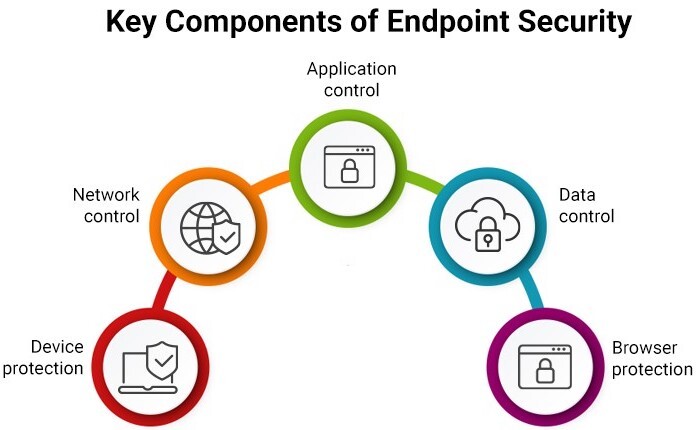
Endpoint-security is a cybersecurity solution that protects computers, mobile devices, servers, and other connected endpoints from malware, ransomware, phishing, and unauthorized access.
It prevents cybercriminals from compromising devices that provide access to organizational networks and sensitive information.
Yes. Endpoint-security includes antivirus protection but also offers behavioral monitoring, centralized management, encryption, threat intelligence, and automated incident response.
Absolutely. Endpoint-security safeguards devices regardless of whether employees work in the office, remotely, or in hybrid environments.
Security platforms should receive automatic updates continuously, while operating systems and applications should be patched promptly.
Managed IT providers deliver expert monitoring, proactive threat detection, ongoing maintenance, employee training, and strategic cybersecurity planning that many nonprofits cannot provide internally.
Endpoint-security has become an essential investment for nonprofit organizations seeking to protect sensitive information, maintain operational continuity, and defend against increasingly sophisticated cyber threats. As remote work, cloud computing, and digital collaboration continue expanding, every connected device represents a critical component of an organization’s cybersecurity strategy. Protecting those endpoints is no longer optional—it is fundamental to safeguarding donor trust, financial stability, and mission success.
By implementing modern endpoint-security solutions, nonprofits can reduce ransomware risks, improve regulatory compliance, secure remote employees, strengthen business continuity, and lower the overall cost of cybersecurity incidents. Combined with employee education, strong security policies, and proactive IT management, endpoint protection creates a resilient technology environment that supports long-term organizational growth.
At Iconyx Technology, we are committed to helping nonprofit organizations throughout New York build secure, reliable, and future-ready IT infrastructures. Through advanced endpoint-security, managed IT services, cloud solutions, cybersecurity consulting, and proactive monitoring, our experienced team helps nonprofits confidently protect their people, systems, and data while focusing on what matters most—serving their communities.