Technology is the backbone of modern nonprofit organizations. From donor management systems and financial software to cloud collaboration tools and communication platforms, nonprofits depend on reliable IT infrastructure to fulfill their missions. However, unexpected events such as cyberattacks, hardware failures, natural disasters, or accidental data loss can disrupt operations and jeopardize sensitive information. This is why it disaster recovery has become an essential component of every nonprofit’s technology strategy.
For nonprofit organizations throughout New York, even a few hours of system downtime can delay fundraising campaigns, interrupt community services, impact grant reporting, and reduce donor confidence. A well-designed it disaster recovery plan enables organizations to recover quickly while minimizing operational and financial losses.
At Iconyx Technology, we specialize in managed IT services, cloud solutions, cybersecurity, VoIP communications, and disaster recovery planning for nonprofit organizations across New York. Our proactive approach helps organizations prepare for unexpected disruptions while maintaining business continuity.
This guide explains what it disaster recovery is, why it matters for nonprofits, common causes of IT disasters, essential recovery components, best practices, and how Iconyx Technology helps organizations remain resilient.
IT disaster recovery refers to the policies, technologies, and procedures used to restore critical IT systems, applications, and data after a disruptive event. The objective is to resume normal business operations as quickly and safely as possible while minimizing downtime and data loss.
A comprehensive it disaster recovery strategy typically includes:
Rather than simply backing up files, effective it disaster recovery ensures your organization can rapidly restore entire systems, applications, and business operations.
Nonprofit organizations often operate with limited budgets and lean IT teams, making resilience especially important. Losing access to donor databases, financial records, grant documentation, or communication systems can have significant consequences.
Implementing a strong it disaster recovery plan provides several benefits:
Rapid recovery keeps essential services available and minimizes disruptions.
Secure backups help safeguard sensitive donor and financial information.
Critical operations can continue even during unexpected technology failures.
Recovering quickly helps prevent lost productivity, emergency recovery costs, and missed fundraising opportunities.
Board members, donors, employees, and stakeholders gain confidence knowing your organization is prepared for emergencies.
Many organizations associate disasters only with natural events, but technology disruptions can result from a wide range of incidents.
Common causes include:
Ransomware, phishing, malware, and unauthorized access can compromise systems and lock organizations out of critical data.
Servers, storage devices, networking equipment, and workstations eventually fail without proper maintenance.
Accidental file deletion, misconfigured systems, or improper software updates remain common causes of data loss.
Floods, fires, storms, and power outages may damage IT infrastructure and interrupt operations.
Even cloud-based environments require contingency planning to maintain availability during service disruptions.
A comprehensive it disaster recovery strategy addresses each of these potential risks through proactive planning and layered protection.
An effective it disaster recovery plan includes multiple technologies and documented procedures working together.
Organizations should identify critical systems, evaluate potential threats, and prioritize recovery efforts based on operational impact.
Automated, encrypted backups stored both locally and in secure cloud environments help ensure data remains recoverable.
Clearly defined Recovery Time Objectives (RTOs) and Recovery Point Objectives (RPOs) establish acceptable recovery timelines and data loss thresholds.
Employees should understand who to contact, how incidents are reported, and the steps required to contain and recover from disruptions.
Regular testing verifies that backup systems and recovery processes work as intended before an actual emergency occurs.
Cloud technologies have transformed modern it disaster recovery by providing greater flexibility, scalability, and reliability than many traditional backup systems.
Benefits of cloud disaster recovery include:
For nonprofit organizations operating multiple locations or supporting hybrid workforces, cloud-based disaster recovery offers a practical and cost-effective solution.
Many nonprofit leaders mistakenly believe it disaster recovery and business continuity are the same. While closely related, they serve different purposes.
IT disaster recovery focuses specifically on restoring technology systems, applications, servers, cloud environments, and data after an unexpected disruption. Its primary objective is to recover IT infrastructure as quickly as possible.
Business continuity, on the other hand, is a broader organizational strategy. It ensures the nonprofit can continue delivering essential services even while technology is being restored. A comprehensive business continuity plan addresses people, facilities, communications, vendors, operational processes, and emergency decision-making.
For New York nonprofits, combining both strategies creates a resilient organization capable of serving communities during unexpected events.
An effective continuity strategy should include:
When paired together, business continuity and it disaster recovery minimize operational interruptions while protecting your organization’s mission.
Modern disaster recovery planning must include cybersecurity. Today’s cybercriminals frequently target nonprofit organizations because they often manage sensitive donor, volunteer, healthcare, educational, or financial information while operating with limited internal IT resources.
A successful it disaster recovery strategy helps organizations recover from threats such as:
Ransomware encrypts organizational data and demands payment for its release. Secure offline and cloud backups allow organizations to restore systems without paying attackers.
Employees may unknowingly click malicious links that compromise systems. Security awareness training and email filtering significantly reduce this risk.
Malicious software can damage systems, steal confidential information, or create unauthorized access points.
Whether accidental or intentional, employee actions can lead to security incidents. Proper access controls and monitoring help reduce internal risks.
By integrating cybersecurity with it disaster recovery, nonprofit organizations strengthen both prevention and recovery capabilities.
A disaster recovery plan should never remain untested. Regular testing ensures recovery procedures work when they are needed most.
Organizations should periodically verify:
Routine testing also identifies weaknesses before an actual emergency occurs.
Technology environments constantly evolve. New software, cloud platforms, security updates, and hardware changes require ongoing revisions to every it disaster recovery plan.
Annual reviews are recommended, while organizations experiencing significant technology changes may benefit from more frequent testing.
Many organizations don’t realize their current recovery capabilities are inadequate until a major disruption occurs.
Warning signs include:
If your organization recognizes several of these warning signs, improving it disaster recovery should become a technology priority.
Many nonprofits lack dedicated IT staff capable of designing, implementing, and maintaining enterprise-grade disaster recovery solutions.
Partnering with a managed IT provider delivers significant advantages.
Professional managed services include:
Systems are monitored around the clock to detect issues before they escalate into outages.
Backups occur consistently according to documented recovery policies.
Experienced engineers respond quickly during emergencies, reducing downtime.
Regular updates and proactive maintenance reduce the likelihood of hardware or software failures.
Technology roadmaps ensure recovery capabilities continue evolving alongside organizational growth.
Managed services transform it disaster recovery from a reactive process into a proactive risk management strategy.
At Iconyx Technology, we understand that nonprofit organizations require dependable technology without exceeding limited budgets. Our solutions are specifically designed to help nonprofits improve security, reliability, collaboration, and operational efficiency.
Our services include:
Proactive monitoring, maintenance, and technical support to keep systems running smoothly.
Advanced endpoint protection, firewall management, email security, vulnerability assessments, and security awareness training.
Secure cloud migrations, Microsoft 365 support, cloud infrastructure management, and secure collaboration platforms.
Reliable cloud-based communications that keep employees, volunteers, and leadership connected from anywhere.
Customized it disaster recovery solutions that protect your organization’s most valuable systems and data while minimizing downtime.
Whether your nonprofit serves education, healthcare, community development, social services, religious organizations, or charitable initiatives, Iconyx Technology delivers dependable technology solutions that help your organization stay resilient.
Every nonprofit should establish a comprehensive recovery strategy built around proven best practices.
Recommended steps include:
Organizations that follow these practices significantly improve their ability to recover quickly while minimizing operational disruptions.
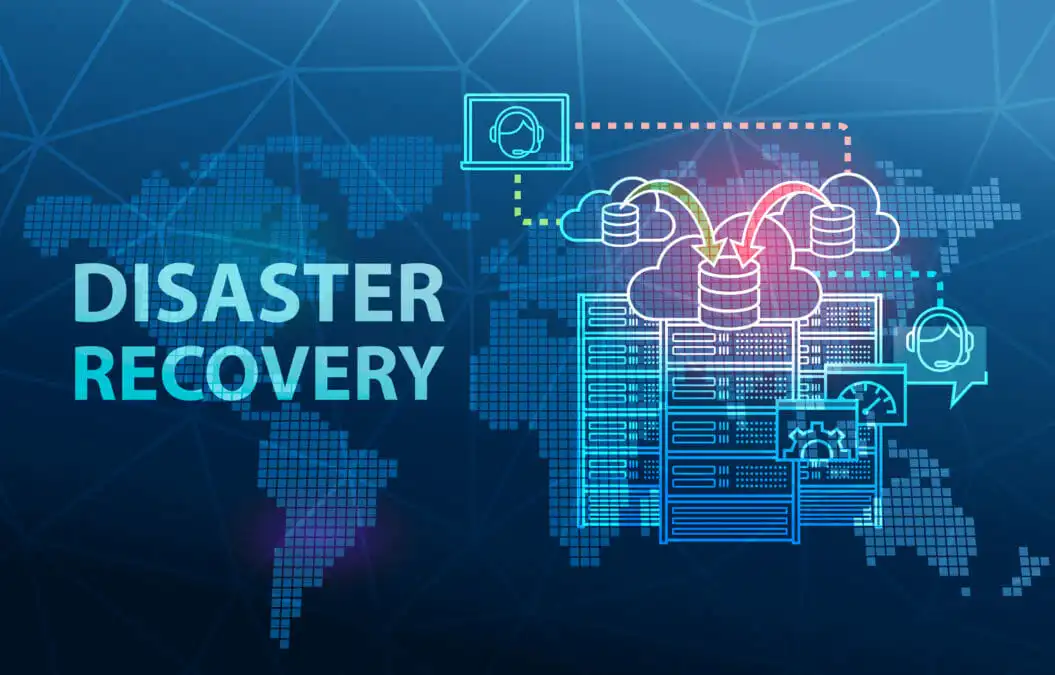
IT disaster recovery is the process of restoring IT systems, applications, and data after cyberattacks, hardware failures, natural disasters, or other disruptive events.
Nonprofits rely heavily on technology to manage donor information, financial records, grants, and daily operations. A recovery plan helps reduce downtime and protect essential services.
Most organizations should test recovery procedures at least annually, with more frequent testing recommended after significant infrastructure or application changes.
Cloud backup is an important component, but complete it disaster recovery also includes recovery procedures, cybersecurity, documentation, testing, and business continuity planning.
Ransomware can encrypt critical data. Secure offline and cloud backups allow organizations to restore systems without relying on attackers.
Iconyx Technology provides managed IT services, cybersecurity, cloud solutions, VoIP communications, and customized it disaster recovery services that help nonprofit organizations throughout New York maintain secure, reliable, and resilient technology environments.
Unexpected technology disruptions can occur at any time, whether caused by cyberattacks, equipment failures, human error, or natural disasters. For nonprofit organizations, even brief downtime can interrupt critical services, delay fundraising, and impact the communities they serve. Investing in a proactive it disaster recovery strategy ensures your organization can recover quickly, protect valuable information, and continue operating with confidence.
A successful recovery program combines secure backups, cybersecurity, cloud technologies, documented recovery procedures, regular testing, and ongoing monitoring. Together, these elements create a resilient technology environment that supports long-term organizational success.
At Iconyx Technology, we help nonprofit organizations across New York implement reliable it disaster recovery solutions tailored to their unique operational needs. From managed IT services and cybersecurity to cloud infrastructure and business continuity planning, our experienced team is committed to helping your organization stay protected, productive, and prepared for whatever challenges the future may bring.
By investing in comprehensive it disaster recovery today, your nonprofit can reduce risk, strengthen operational resilience, and focus on what matters most—serving your community with confidence.