Your nonprofit may not think of itself as a healthcare organization, but if you handle any protected health information (PHI), you are subject to HIPAA security requirements. Whether you run a community health center, a mental health counseling service, a substance abuse program, a homeless shelter that coordinates medical care, or an advocacy group that assists patients, HIPAA security is not optional. It is the law. A single HIPAA security breach can trigger federal fines, state penalties, lawsuits, and catastrophic reputational damage. For New York nonprofits, the stakes are even higher because the state’s SHIELD Act adds additional data protection obligations. At Iconyx Technology, we specialize in HIPAA security for nonprofit organizations throughout New York State. We understand that you are mission-driven, not profit-driven, and that you need HIPAA security solutions that are effective, affordable, and tailored to your unique workflows.
In this comprehensive guide, we will expose five devastating HIPAA security breaches that can destroy your nonprofit and show you exactly how to prevent them. You will learn what HIPAA security really requires, how to identify vulnerabilities before they become crises, and why professional HIPAA security management is essential for mission-driven organizations. Whether you are a small community center with a handful of staff or a statewide nonprofit with multiple locations, mastering HIPAA security is non-negotiable. Let’s dive into the breaches—and see precisely how strong HIPAA security eliminates them.
HIPAA security refers to the administrative, physical, and technical safeguards required by the Health Insurance Portability and Accountability Act (HIPAA) Security Rule to protect electronic protected health information (ePHI). The HIPAA security rule applies to covered entities—healthcare providers, health plans, and healthcare clearinghouses—and their business associates. Many nonprofits qualify as covered entities or business associates because they provide health-related services, coordinate care, or handle health data. HIPAA security requires risk analysis, access controls, encryption, workforce training, incident response planning, and ongoing evaluation. It is not a one-time project; it is an ongoing commitment.
HIPAA security matters for nonprofits because the consequences of a breach are severe. The U.S. Department of Health and Human Services (HHS) can impose civil monetary penalties ranging from $100 to $50,000 per violation, with an annual cap of $1.5 million per violation category. State attorneys general can also bring lawsuits. Beyond fines, a HIPAA security breach destroys donor trust, damages your reputation, and diverts resources from your mission to remediation. For New York nonprofits, the SHIELD Act adds another layer of data protection requirements, making HIPAA security compliance even more critical. Understanding HIPAA security deeply is one of the most responsible decisions a nonprofit can make.
The most fundamental HIPAA security failure is the absence of a comprehensive risk analysis. The HIPAA Security Rule requires covered entities and business associates to conduct an accurate and thorough assessment of the potential risks and vulnerabilities to the confidentiality, integrity, and availability of ePHI. Without a risk analysis, you cannot know where your HIPAA security weaknesses are. You are essentially flying blind. Many nonprofits skip this step because they assume they are too small to be targeted or because they don’t understand the requirement. That assumption is dangerous. A single unaddressed vulnerability can lead to a breach that costs millions.
A proper HIPAA security risk analysis examines all systems that create, receive, maintain, or transmit ePHI. It identifies threats, vulnerabilities, and the likelihood of exploitation. It evaluates existing HIPAA security controls and recommends improvements. The risk analysis must be documented and updated regularly. Iconyx Technology conducts HIPAA security risk analyses for nonprofits across New York. We inventory your systems, assess your safeguards, and deliver a prioritized roadmap for remediation. Our HIPAA security risk analysis gives you the foundation you need to build a compliant, resilient program.
The second devastating HIPAA security breach is unsecured ePHI. This occurs when electronic protected health information is stored or transmitted without encryption, when access controls are weak, or when user permissions are not properly managed. For example, a nonprofit might store client health records on an unencrypted laptop, email them without encryption, or allow all staff to access all records regardless of their role. These practices violate HIPAA security rules and create easy targets for cybercriminals.
HIPAA security requires encryption for ePHI at rest and in transit, though encryption is “addressable” rather than mandatory—meaning you must either implement it or document why it is not reasonable. In practice, encryption is essential. HIPAA security also requires access controls that limit ePHI access to authorized users based on their role. This includes unique user IDs, emergency access procedures, automatic logoff, and encryption. Iconyx Technology implements HIPAA security controls that protect ePHI. We deploy full-disk encryption, encrypted email, role-based access controls, multi-factor authentication, and audit logging. Our HIPAA security solutions ensure that even if a device is lost or stolen, ePHI remains protected.
The third crippling HIPAA security breach is inadequate workforce training. HIPAA requires covered entities and business associates to train all workforce members on HIPAA security policies and procedures. Yet many nonprofits provide training only at onboarding, if at all. Staff do not know how to recognize phishing emails, how to handle ePHI securely, how to report a suspected breach, or what the consequences of a HIPAA security violation are. Human error is the leading cause of HIPAA security breaches, and untrained staff are the weakest link.
Effective HIPAA security training must be ongoing, not a one-time event. It should cover HIPAA security basics, specific threats like phishing and ransomware, proper handling of ePHI, incident reporting, and sanctions for violations. Training should be documented, and employees should acknowledge their understanding. Iconyx Technology provides HIPAA security training tailored to nonprofit environments. We deliver engaging, role-specific training that empowers your staff to become your first line of defense. Our HIPAA security training includes simulated phishing exercises, real-world scenarios, and regular refreshers that keep HIPAA security top of mind.
The fourth devastating HIPAA security breach is the failure to manage business associate agreements (BAAs) and third-party risks. Under HIPAA, any vendor that creates, receives, maintains, or transmits ePHI on your behalf is a business associate. You must have a signed BAA with each business associate, and you must ensure they are compliant with HIPAA security requirements. Many nonprofits work with cloud providers, billing companies, IT vendors, and consultants without BAAs. This oversight creates liability. If a business associate suffers a HIPAA security breach, your nonprofit may be held responsible.
HIPAA-security requires due diligence on business associates. You must verify their HIPAA security practices, ensure they have appropriate safeguards, and monitor their compliance. Iconyx Technology helps nonprofits manage third-party HIPAA-security risks. We review your vendor relationships, draft or review BAAs, and assess business associate HIPAA-security posture. Our HIPAA-security team ensures that your entire ecosystem—not just your internal systems—meets HIPAA requirements. We also provide ongoing monitoring to detect changes in business associate HIPAA-security status.
The fifth crippling HIPAA-security breach is the lack of a documented incident response and breach notification plan. HIPAA requires covered entities and business associates to have policies and procedures for responding to HIPAA-security incidents, including breach notification. Yet many nonprofits have no plan at all. When a HIPAA-security incident occurs, they panic, make mistakes, delay notification, and compound the damage. A disorganized response can turn a minor incident into a major regulatory enforcement action.
A proper HIPAA-security incident response plan defines roles, responsibilities, and procedures for identifying, containing, eradicating, and recovering from HIPAA-security incidents. It includes a breach risk assessment process, notification templates, and communication protocols. It must be tested regularly through tabletop exercises. Iconyx Technology develops HIPAA-security incident response plans for nonprofits. We help you prepare for the worst so you can respond effectively if a HIPAA-security breach occurs. Our HIPAA-security experts also provide incident response support, guiding you through the breach notification process and coordinating with legal counsel and regulators.
Beyond preventing breaches, HIPAA-security aligns with several core needs unique to nonprofits operating in New York. First, HIPAA-security compliance is a legal requirement. Nonprofits that handle ePHI must comply with HIPAA, and New York’s SHIELD Act adds additional obligations. HIPAA-security solutions that meet these requirements protect you from legal exposure while protecting your clients’ data.
Second, HIPAA-security builds donor and client trust. Donors want to know that their information is protected, and clients want to know that their health data is safe. When you demonstrate a commitment to HIPAA-security, you reassure your stakeholders that you are a responsible steward of their information. This trust translates into stronger relationships and continued support.
Third, HIPAA-security supports grant compliance. Many grant agreements require specific data security measures, especially for health-related programs. Robust HIPAA-security documentation demonstrates to funders that you meet their requirements, strengthening your grant applications and compliance reporting. Iconyx Technology helps nonprofits articulate their HIPAA-security posture in language funders appreciate, providing documentation and assessments that support funding requests.
Not all HIPAA-security solutions are identical. When evaluating HIPAA-security for your nonprofit, look for these essential features:
Comprehensive risk analysis to identify vulnerabilities.
Encryption for ePHI at rest and in transit.
Access controls with role-based permissions and multi-factor authentication.
Audit logging to track who accessed what and when.
Workforce training on HIPAA-security policies and threat recognition.
Business associate agreement management to ensure third-party compliance.
Incident response planning with breach notification procedures.
Continuous monitoring for HIPAA-security threats.
Compliance documentation to satisfy regulators and funders.
Local support from a provider who understands New York nonprofits.
Iconyx Technology preconfigures each HIPAA-security deployment with these features, tailoring the solution to your organization’s specific workflows. We don’t just install software and walk away; we become your HIPAA-security partner, invested in your protection.
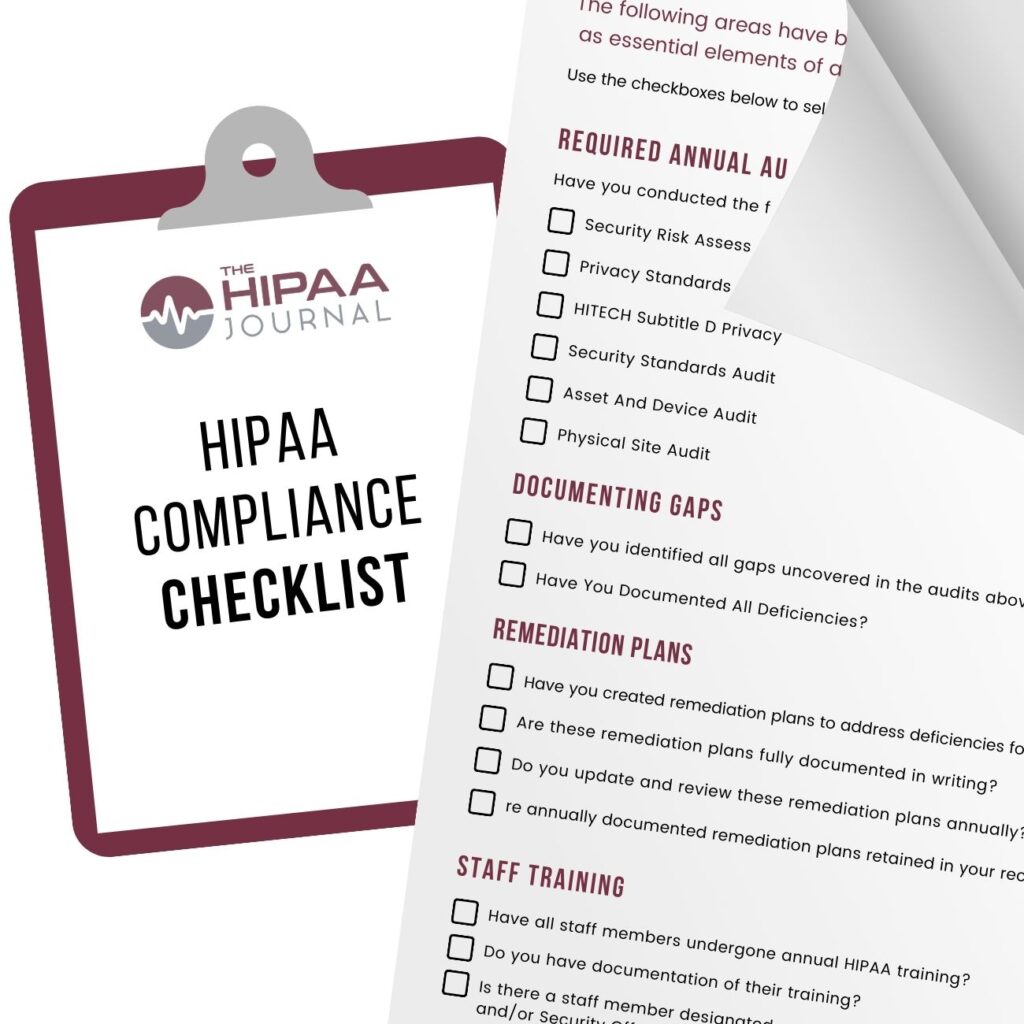
The thought of implementing comprehensive HIPAA-security can feel overwhelming, but the process is more manageable than most nonprofits anticipate. A professional partner like Iconyx Technology begins with a HIPAA-security assessment. We evaluate your current HIPAA-security posture, identify gaps, and design a HIPAA-security program that meets your needs. We implement safeguards, train your staff, and document your compliance. Within weeks, your organization is protected by enterprise-grade HIPAA-security.
Because HIPAA-security implementation is often performed behind the scenes, staff experience minimal disruption. We schedule work during off-hours or low-activity periods, ensuring that your operations continue uninterrupted. We also provide ongoing monitoring and support, ensuring that your HIPAA-security defenses evolve as threats change. Iconyx Technology’s HIPAA-security onboarding is designed for nonprofits—accessible, effective, and focused on your mission.
Let’s examine a realistic scenario for a mid-sized New York nonprofit. A comprehensive HIPAA-security program—including risk analysis, encryption, access controls, training, and incident response planning—might cost $10,000–$30,000 initially and $1,000–$3,000 per month for ongoing management. A single HIPAA-security breach, by contrast, can cost far more: HHS fines ranging from $100,000 to $1.5 million, legal fees, notification costs, reputational damage, and lost donor trust. The return on investment for HIPAA-security is not just financial—it’s existential. Protecting your mission requires protecting your data.
Iconyx Technology provides detailed cost-benefit analyses for every HIPAA-security engagement, showing you exactly how the investment protects your organization from far greater losses. We help nonprofits understand that HIPAA-security is not an expense—it’s insurance against catastrophe.
Q: Does my nonprofit need HIPAA-security if we don’t bill insurance?
A: If you handle protected health information in any form, you likely need HIPAA-security compliance, even if you don’t bill insurance. Consult with a HIPAA-security expert to determine your status.
Q: What is the SHIELD Act and how does it relate to HIPAA-security?
A: New York’s SHIELD Act requires organizations that collect private information to implement reasonable safeguards. HIPAA-security compliance helps meet SHIELD Act requirements.
Q: How often should we train staff on HIPAA-security?
A: HIPAA-security training should be conducted at least annually, with regular reminders and updates. Iconyx Technology provides ongoing HIPAA-security training programs.
Q: What should we do if we experience a HIPAA-security breach?
A: Act immediately. Contain the breach, assess the risk, notify affected individuals and HHS as required, and document everything. Iconyx Technology provides HIPAA-security incident response support.
Q: Can HIPAA-security help us with grant applications?
A: Yes. Demonstrating strong HIPAA-security practices strengthens grant applications and compliance reporting. Iconyx Technology provides documentation that supports your funding requests.
We’re not just resellers of generic security products. Iconyx Technology is a New York-based IT and VoIP firm that has spent years serving the local nonprofit community. We understand the funding constraints, the compliance landscape, and the operational rhythms of mission-driven organizations. When you choose HIPAA-security from us, you get a solution architected for the way you work: protective, proactive, and mission-focused. Our HIPAA-security solutions are backed by local support, responsive service, and a genuine commitment to your success that goes beyond the contract. We’ll be your HIPAA-security advisor, not just a vendor, and we’ll stand with you as threats evolve.
Your data shouldn’t be vulnerable to breaches that could destroy your mission. Those five devastating HIPAA-security failures—lack of risk analysis, unsecured ePHI, inadequate training, poor business associate management, and no incident response plan—are all preventable with strong HIPAA-security. Imagine a future where your ePHI is protected, your staff are trained, your vendors are compliant, and your mission continues through any incident. That future is what comprehensive HIPAA-security delivers, and it’s available right now through Iconyx Technology.
Don’t let another quarter go by with inadequate HIPAA-security that leaves your nonprofit exposed. Contact Iconyx Technology today for a free consultation and a personalized HIPAA-security assessment designed specifically for New York nonprofits. Let’s walk through your current risks, identify vulnerabilities, and design a HIPAA-security solution that protects your mission, your data, and the people who trust you. The shift to professional HIPAA-security is simpler, faster, and more transformative than you ever imagined—and your nonprofit deserves nothing less.