Cybersecurity threats are evolving at an alarming pace. Nonprofit organizations, once considered unlikely targets, are now facing increasing cyber risks due to the valuable data they store and the limited security resources they often possess. Donor records, financial information, employee data, healthcare information, and confidential communications all make nonprofits attractive targets for cybercriminals. As a result, organizations across New York are adopting zero trust security to strengthen their defenses and reduce vulnerabilities.
Traditional cybersecurity models relied heavily on perimeter-based protection. Once users gained access to the network, they were often trusted automatically. Unfortunately, today’s threat landscape no longer supports that approach. Remote work, cloud computing, mobile devices, and sophisticated cyberattacks require a more dynamic and proactive security framework. This is where zero trust security offers a powerful advantage.
The concept behind zero trust security is simple but highly effective: never trust, always verify. Every user, device, application, and connection must be continuously authenticated and validated before access is granted. This approach significantly reduces the risk of unauthorized access and limits the damage caused by security breaches.
At Iconyx Technology, we help nonprofit organizations throughout New York implement advanced cybersecurity solutions, including zero trust security, to protect their operations and support their missions. This guide explains everything nonprofits need to know about this modern security framework.
Zero trust security is a cybersecurity model based on the principle that no user or device should be automatically trusted, regardless of whether they are inside or outside the network.
Instead of granting broad access, zero trust security requires continuous verification of:
The core objective of zero trust security is to minimize risk by limiting access to only the resources users need.
This approach assumes that threats can originate from anywhere, including trusted networks and authorized users.
By implementing zero trust security, organizations create multiple layers of protection that reduce the likelihood and impact of cyberattacks.
Nonprofits face unique cybersecurity challenges.
Limited IT budgets, distributed workforces, and increasing reliance on cloud applications make zero trust security especially valuable.
Cybercriminals frequently target nonprofits because they often possess sensitive information.
Zero trust security helps minimize these risks through strict access controls.
Many nonprofit employees and volunteers work remotely.
Zero trust security ensures secure access regardless of location.
Donor databases contain valuable financial and personal information.
Implementing zero trust security helps safeguard these critical assets.
Many organizations must comply with privacy and security requirements.
Zero trust security supports compliance efforts by enforcing stronger access controls.
The framework limits unnecessary access and reduces internal security threats.
Understanding the principles behind zero trust security helps organizations implement it effectively.
Every access request must be authenticated and authorized.
Zero trust security requires identity verification at every stage.
Users receive only the minimum access required to perform their responsibilities.
This principle is central to zero trust security.
Organizations operating under zero trust security assume that threats may already exist within the network.
Security strategies are designed accordingly.
User behavior, device activity, and network traffic are constantly monitored.
This proactive approach strengthens zero trust security.
Organizations adopting zero trust security often experience substantial security improvements.
The most obvious benefit of zero trust security is enhanced protection against cyber threats.
Limiting access minimizes opportunities for attackers.
Employees can work securely from any location.
Sensitive information remains protected through strict access controls.
Organizations gain better insight into network activity.
Continuous monitoring helps identify suspicious behavior quickly.
Preventing breaches helps organizations avoid costly recovery expenses.
These advantages make zero trust security an increasingly popular cybersecurity strategy.
Several technologies help organizations implement zero trust security successfully.
MFA requires users to verify their identity using multiple methods.
This technology is a cornerstone of zero trust security.
IAM systems control user permissions and authentication.
Protecting devices is essential for effective zero trust security.
Segmenting networks limits the movement of attackers.
Analytics tools help organizations monitor and improve zero trust security strategies.
Combining these technologies creates a more resilient cybersecurity environment.
Cloud adoption continues growing among nonprofit organizations.
Fortunately, zero trust security integrates well with cloud environments.
Benefits include:
As nonprofits increasingly adopt cloud technologies, zero trust security becomes even more important.
The combination of cloud computing and advanced security creates a flexible and secure technology environment.
Remote work has permanently changed how organizations operate.
Traditional security models often struggle to protect distributed workforces.
Zero trust security addresses these challenges by:
For New York nonprofits with remote teams, zero-trust security provides the flexibility and protection needed in today’s digital workplace.
Employees can remain productive without sacrificing security.
Although the benefits are significant, organizations should understand potential challenges.
Deploying zero-trust security requires careful planning.
Older technologies may not fully support modern security frameworks.
Employees may initially resist additional authentication requirements.
Organizations must balance security investments with operational needs.
Effective zero-trust security requires clearly defined policies and ongoing oversight.
Working with experienced IT professionals helps organizations overcome these challenges.
Successful zero-trust security implementations follow proven best practices.
Evaluate current security measures and identify vulnerabilities.
Strong authentication is essential for zero-trust security.
Limiting access reduces security risks.
Ongoing monitoring helps identify threats quickly.
Staff training strengthens the effectiveness of zero-trust security.
Experienced providers can simplify implementation and improve outcomes.
Organizations following these recommendations often achieve stronger cybersecurity results.
Across New York, nonprofits increasingly recognize the value of zero-trust security.
Several factors are driving adoption:
As digital transformation accelerates, zero-trust security continues gaining momentum.
Organizations that invest early are better positioned to manage future risks.
At Iconyx Technology, we help nonprofit organizations throughout New York implement customized zero-trust security solutions.
Our services include:
We design zero-trust security strategies that align with each organization’s mission, budget, and technology environment.
Our goal is to provide nonprofits with enterprise-grade protection while supporting long-term growth and innovation.
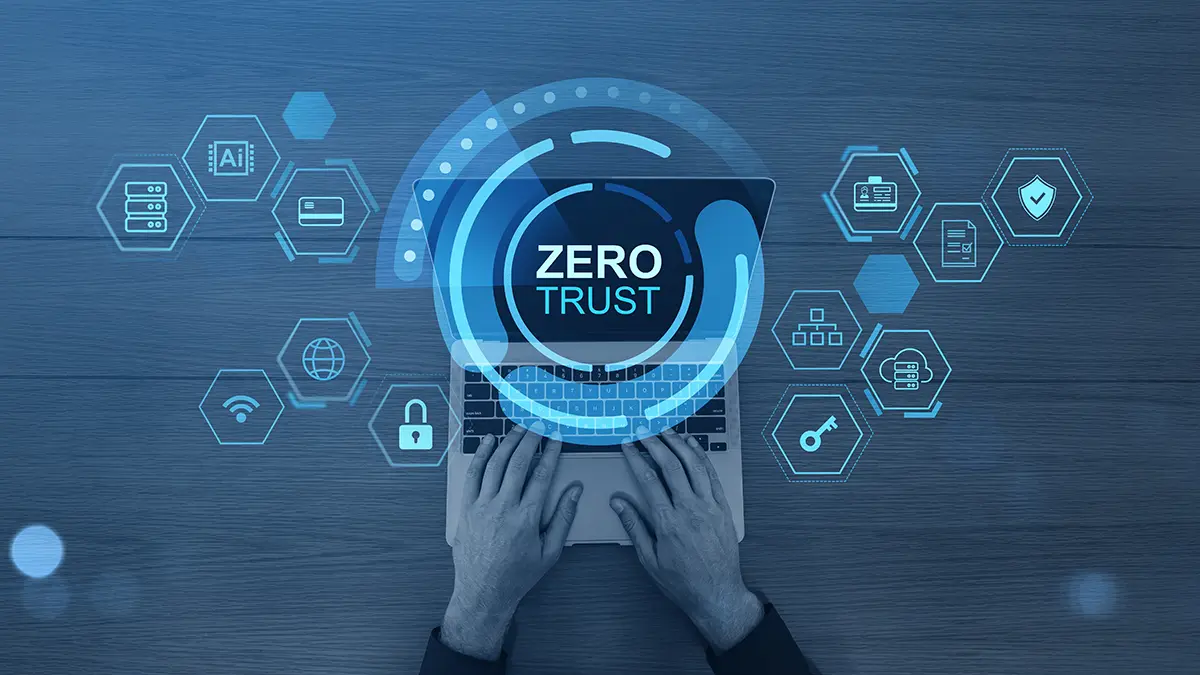
The future of cybersecurity will be increasingly shaped by zero-trust security principles.
Emerging trends include:
As cyber threats become more sophisticated, zero-trust security will continue evolving to meet new challenges.
Organizations embracing this model today will be better prepared for tomorrow’s security landscape.
Zero-trust security is a cybersecurity framework based on the principle of never automatically trusting users or devices.
Zero-trust security helps prevent unauthorized access, protect sensitive information, and reduce cyber risks.
Yes. Zero-trust security is highly effective for nonprofits because it provides strong protection without relying solely on traditional network boundaries.
Absolutely. Zero-trust security is specifically designed to secure remote users and cloud-based applications.
Technologies commonly used in zero-trust security include multi-factor authentication, identity management, endpoint protection, and network segmentation.
Yes. Experienced IT providers help organizations implement zero-trust security effectively while minimizing risks.
Cybersecurity is no longer optional for nonprofit organizations. As cyber threats continue evolving, traditional security models often fail to provide the protection needed in modern digital environments. Zero-trust security offers a smarter and more resilient approach by continuously verifying users, limiting access, and monitoring network activity.
For nonprofits throughout New York, the benefits of zero-trust security include stronger data protection, enhanced remote work security, reduced cyber risks, and improved operational confidence. By adopting this modern security framework, organizations can focus more on their missions and less on cybersecurity concerns.
At Iconyx Technology, we are committed to helping nonprofits implement advanced zero-trust security solutions tailored to their unique needs. Through expert guidance, proactive monitoring, and comprehensive cybersecurity services, we help organizations build safer and more secure technology environments for the future.