Technology has become essential for nonprofit organizations striving to maximize their impact while operating with limited budgets and resources. From donor management systems and volunteer databases to fundraising platforms and communication tools, nonprofits rely heavily on technology to fulfill their missions. As digital transformation accelerates, cloud migration has emerged as one of the most effective strategies for improving operational efficiency and long-term sustainability.
For nonprofit organizations throughout New York, cloud migration offers an opportunity to modernize infrastructure, reduce costs, improve cybersecurity, and enhance collaboration among staff, volunteers, board members, and stakeholders. Rather than maintaining expensive on-premises servers and hardware, organizations can leverage cloud-based solutions that provide flexibility, scalability, and accessibility.
However, a successful cloud migration requires careful planning, strategic execution, and ongoing support. Without the proper approach, nonprofits may face unexpected costs, security concerns, and operational disruptions.
In this comprehensive guide, we’ll explore everything nonprofit leaders need to know about cloud migration, including its benefits, challenges, best practices, and how Iconyx Technology helps New York nonprofits successfully transition to the cloud.
Cloud migration is the process of moving digital assets, applications, databases, workloads, and IT infrastructure from on-premises environments to cloud-based platforms.
A typical cloud migration may involve transferring:
The goal of cloud migration is to improve performance, scalability, security, accessibility, and operational efficiency.
For nonprofits, cloud migration enables teams to access critical resources from virtually anywhere while reducing the burden of managing physical infrastructure.
As technology continues evolving, many organizations view cloud migration as a foundational component of their long-term digital strategy.
Nonprofit organizations face unique challenges when managing technology resources. Limited budgets, growing cybersecurity threats, and increasing demands for remote accessibility make cloud migration particularly attractive.
Traditional IT infrastructure often requires substantial capital investments. Cloud migration allows nonprofits to shift from large upfront costs to predictable operating expenses.
Many nonprofit organizations support remote and hybrid work environments. Cloud migration ensures staff can securely access systems regardless of location.
A successful cloud migration facilitates real-time collaboration among employees, volunteers, and stakeholders.
By leveraging cloud-based technologies, nonprofits can improve service delivery and better support their communities.
As organizations grow, cloud migration provides the flexibility needed to scale operations without significant infrastructure investments.
Understanding the process of cloud migration helps organizations prepare for a successful transition.
Every cloud migration begins with evaluating current systems, applications, and infrastructure.
This assessment identifies:
A detailed roadmap is developed for the cloud migration process.
Key planning considerations include:
During the actual cloud migration, data and applications are transferred to cloud environments.
Organizations may choose:
After cloud migration, systems undergo testing to ensure functionality, performance, and security.
Successful cloud migration extends beyond deployment and includes continuous monitoring and optimization.
There are numerous advantages associated with cloud migration.
One of the biggest benefits of cloud migration is cost savings.
Organizations can eliminate expenses related to:
A successful cloud migration allows authorized users to access resources from anywhere with an internet connection.
Cloud platforms can easily accommodate organizational growth without major infrastructure investments.
Cloud migration helps protect organizations from disruptions caused by hardware failures or local disasters.
Cloud-based tools improve communication and teamwork across departments and locations.
Organizations that embrace cloud migration can adopt new technologies more quickly and efficiently.
Cybersecurity remains a top concern for nonprofit organizations.
Fortunately, cloud-migration can significantly strengthen security when implemented correctly.
Leading cloud providers invest heavily in cybersecurity infrastructure.
A strategic cloud-migration often includes:
Cloud platforms automatically deploy security updates, reducing vulnerabilities.
Many cloud-migration solutions include automated backup and disaster recovery capabilities.
Cloud environments often provide tools that help organizations meet regulatory requirements.
While the advantages are substantial, organizations must address potential obstacles during cloud-migration.
Older applications may not easily integrate with modern cloud environments.
Large-scale cloud-migration projects may involve significant amounts of data.
Staff members may require training to adapt to new systems after cloud-migration.
Without proper planning, security risks can emerge during the migration process.
Unexpected expenses can occur if organizations fail to carefully plan their cloud-migration strategy.
Nonprofits can improve outcomes by following proven cloud-migration best practices.
Define measurable objectives before beginning a cloud-migration project.
Security should remain a central focus throughout the entire cloud-migration process.
Testing ensures systems function correctly after migration.
User education is essential for maximizing the value of cloud-migration investments.
Working with experienced providers helps reduce risk and improve project outcomes.
For nonprofits utilizing modern communications, cloud-migration and VoIP technologies often work together.
Cloud-based VoIP solutions provide:
A comprehensive cloud-migration strategy frequently includes transitioning traditional phone systems to cloud-based VoIP platforms.
This approach helps nonprofits streamline operations and improve communication efficiency.
Selecting the right provider is critical to a successful cloud-migration initiative.
Nonprofits should evaluate:
Choose a provider with extensive cloud-migration expertise.
Industry-specific experience helps ensure alignment with nonprofit needs.
Security expertise is essential during every stage of cloud-migration.
Reliable support services ensure continued success after deployment.
The chosen provider should accommodate future organizational growth.
Across New York, nonprofit organizations are embracing cloud-migration to remain competitive, efficient, and secure.
Benefits include:
As nonprofit operations become increasingly digital, cloud-migration continues to deliver measurable value.
At Iconyx Technology, we understand the unique challenges facing nonprofit organizations throughout New York.
Our cloud-migration services help nonprofits modernize technology while minimizing risk and disruption.
We provide:
Our team ensures every cloud-migration project aligns with organizational goals, budget requirements, and security standards.
By partnering with Iconyx Technology, nonprofits gain a trusted technology advisor dedicated to long-term success.
The future of nonprofit technology is closely tied to cloud-migration.
Emerging trends include:
Organizations that invest in cloud-migration today position themselves for future innovation and growth.
As technology continues evolving, the importance of cloud-migration will only increase.
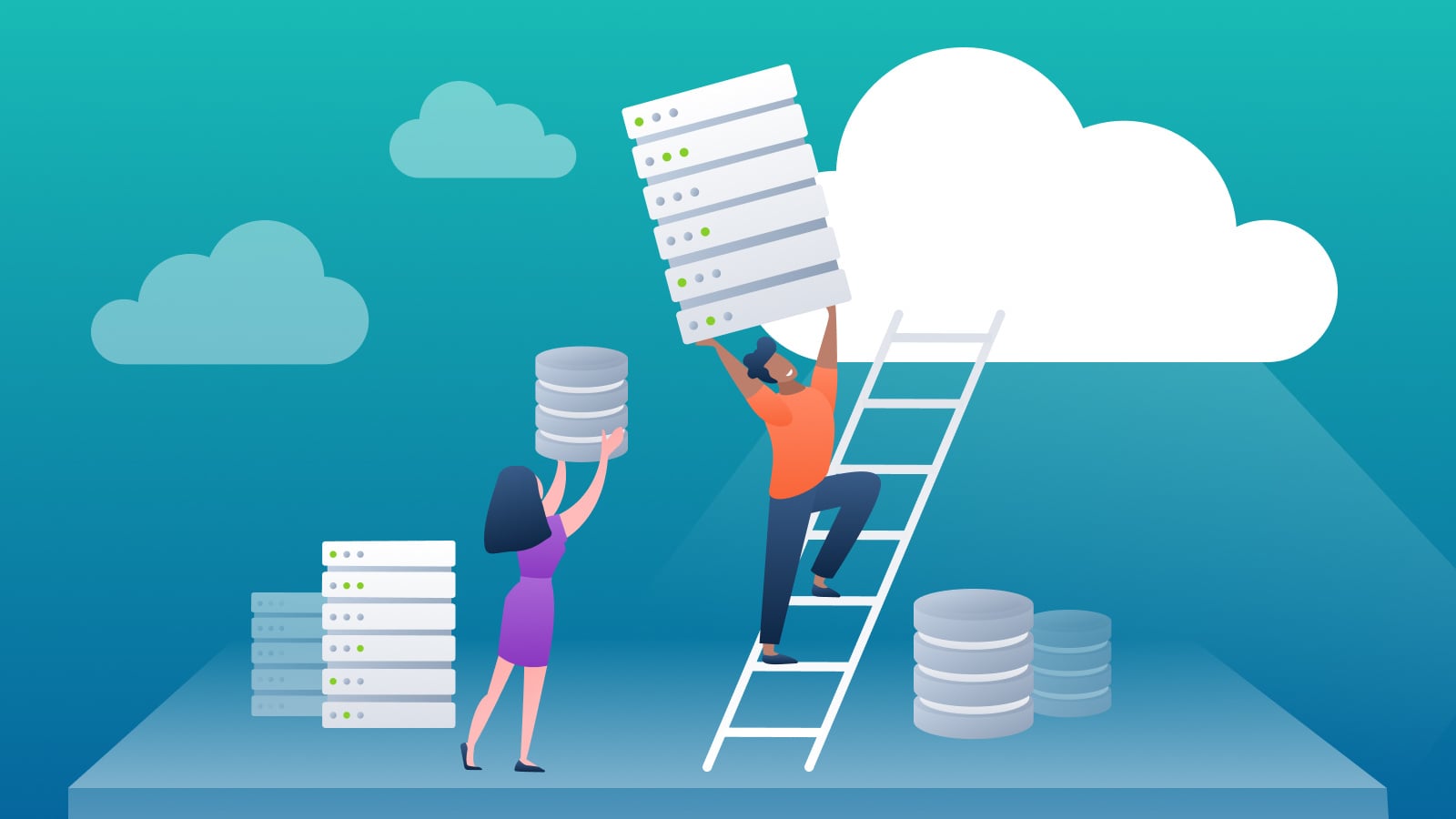
Cloud-migration is the process of moving applications, data, and infrastructure from on-premises systems to cloud-based environments.
Cloud-migration helps nonprofits reduce costs, improve flexibility, enhance security, and support remote work.
When implemented properly, cloud-migration can significantly improve cybersecurity through advanced cloud protections.
The timeline for cloud-migration depends on the complexity of systems, applications, and organizational requirements.
Yes. Many organizations achieve substantial savings through cloud-migration by reducing hardware and maintenance expenses.
Experienced providers help organizations minimize risks and maximize the benefits of cloud-migration.
For nonprofit organizations throughout New York, cloud-migration offers a powerful opportunity to improve efficiency, strengthen cybersecurity, reduce costs, and support mission-driven growth. As technology becomes increasingly central to nonprofit operations, organizations must adopt flexible and scalable solutions that enable long-term success.
A well-planned cloud-migration strategy can transform how nonprofits operate, collaborate, and serve their communities. From remote accessibility and disaster recovery to enhanced security and lower infrastructure costs, the benefits are substantial.
At Iconyx Technology, we specialize in helping nonprofits navigate every stage of the cloud-migration journey. Through expert planning, secure implementation, and ongoing support, we empower organizations to leverage technology more effectively while focusing on what matters most—their mission and impact.