
Cybersecurity threats continue to evolve at an alarming rate, and one of the most common and dangerous threats facing organizations today is phishing. Nonprofit organizations across New York are increasingly becoming targets because they often handle sensitive donor information, financial records, employee data, and community resources. Unfortunately, a successful phishing attack can lead to significant financial losses, reputational damage, operational disruptions, and compromised data.
Many nonprofits assume cybercriminals primarily target large corporations. However, attackers frequently focus on smaller and mid-sized organizations because they often have limited cybersecurity resources and less sophisticated defenses. A single phishing email can trick employees into revealing passwords, transferring funds, downloading malware, or exposing confidential information.
Understanding how phishing works is essential for protecting nonprofit organizations. Modern attacks are highly convincing and often appear to come from trusted sources such as financial institutions, donors, vendors, government agencies, or internal executives. As attackers become more sophisticated, nonprofits must adopt proactive strategies to reduce risk.
At Iconyx Technology, we help nonprofit organizations throughout New York strengthen cybersecurity defenses and protect against emerging threats. In this comprehensive guide, we explore what phishing is, why it is dangerous, common attack methods, prevention strategies, and how nonprofits can build stronger cybersecurity programs.
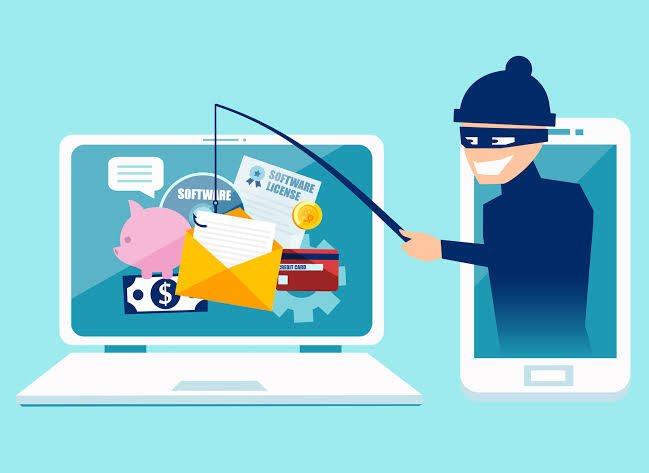
Phishing is a cybercrime technique where attackers impersonate trusted individuals or organizations to trick victims into revealing sensitive information.
The goal of phishing may include:
Most phishing attacks occur through email, but attackers may also use:
The success of phishing depends on manipulating human behavior rather than exploiting technical vulnerabilities.
Nonprofit organizations are particularly vulnerable to phishing attacks.
Nonprofits often store:
Many organizations operate with small IT budgets.
Staff members rely heavily on email communication.
Nonprofits frequently share organizational information online.
Fundraising and donation activities attract cybercriminals.
These factors make phishing a significant concern for nonprofits across New York.
Understanding attack methods helps organizations strengthen phishing defenses.
The most common form of phishing involves fraudulent emails.
Attackers target specific individuals with personalized messages.
Executives and senior leaders become primary targets.
Attackers use text messages to conduct phishing attempts.
Voice calls are used to deceive victims.
Criminals replicate legitimate communications.
Recognizing these attack methods helps employees identify suspicious activity.
Most phishing campaigns follow a similar process.
Attackers send fraudulent messages.
Messages appear to originate from trusted sources.
Victims are pressured to act quickly.
Sensitive data is requested.
Stolen information is used for fraud or unauthorized access.
The effectiveness of phishing often depends on psychological manipulation rather than technical sophistication.
Employees should learn to identify common phishing indicators.
Messages requesting sensitive information.
Pressure to act immediately.
URLs that appear unusual.
Poor spelling or awkward language.
Unexpected communications from unknown sources.
Unexpected file downloads.
Recognizing these warning signs significantly reduces phishing risks.
Strong phishing prevention programs offer numerous advantages.
Organizations reduce cyber risks.
Sensitive information remains secure.
Fraudulent transactions are avoided.
Security programs support compliance efforts.
Staff become active security participants.
Donors trust organizations that prioritize cybersecurity.
These benefits make phishing prevention a critical investment.
Human error remains one of the leading causes of successful phishing attacks.
Employee education should include:
Staff learn how to identify threats.
Strong credentials improve security.
Employees avoid risky behaviors.
Suspicious messages are reported immediately.
Organizations test employee readiness.
Regular training significantly reduces phishing success rates.
Modern technology strengthens phis-hing defenses.
Advanced filtering blocks malicious messages.
Additional verification protects accounts.
Devices receive continuous monitoring.
Organizations identify suspicious behavior quickly.
Dangerous websites are blocked automatically.
Technology and employee awareness work best together.
Financial fraud is a major consequence of phis-hing.
Common schemes include:
Attackers impersonate vendors.
Criminals request unauthorized transfers.
Cybercriminals target fundraising activities.
Financial account access is compromised.
Employee payment information is altered.
Strong controls help prevent these costly incidents.
Organizations can strengthen phis-hing protection through proven strategies.
Confirm unusual requests independently.
Additional verification improves security.
Updates address vulnerabilities.
Reduce unnecessary access rights.
Security awareness should remain ongoing.
Threats should be identified quickly.
These practices create multiple layers of protection.
Every organization should prepare for potential phis-hing incidents.
Identify suspicious activity quickly.
Employees know where to report threats.
Limit damage immediately.
Determine attack scope.
Restore systems and operations.
Identify lessons learned.
Preparation improves resilience and recovery capabilities.
Nonprofits throughout New York face increasing phis-hing risks.
Key reasons include:
Attack volumes continue increasing.
Distributed teams create new vulnerabilities.
Organizations manage valuable information.
Fundraising activities attract attackers.
Security requirements continue evolving.
Proactive defenses help nonprofits protect their missions and communities.
At Iconyx Technology, we provide comprehensive cybersecurity solutions designed specifically for nonprofit organizations.
Our services include:
We help organizations reduce phis-hing risks while improving overall cybersecurity readiness.
Our customized solutions align with the unique needs and budgets of nonprofits throughout New York.
Cybersecurity continues evolving rapidly.
Future trends affecting phis-hing protection include:
AI helps detect threats faster.
Security tools become more effective.
Organizations identify unusual activity.
Threats are addressed more quickly.
Training programs become increasingly sophisticated.
As cyber threats evolve, organizations must continue strengthening phis-hing defenses.
Phis-hing is a cyberattack where criminals impersonate trusted sources to steal information or gain unauthorized access.
Nonprofits often store valuable donor and financial information while operating with limited security resources.
Common signs include suspicious links, urgent requests, unexpected attachments, and unfamiliar senders.
Yes. Multi-factor authentication significantly reduces the effectiveness of many phis-hing attacks.
Do not click links or open attachments. Report the message according to organizational procedures.
Yes. Successful phis-hing attacks frequently lead to fraud, unauthorized transactions, and data breaches.
Phis-hing remains one of the most significant cybersecurity threats facing nonprofit organizations today. As cybercriminals continue developing more sophisticated techniques, nonprofits must remain vigilant and proactive in protecting sensitive information, financial assets, and organizational operations. Effective phis-hing prevention requires a combination of employee education, advanced security technology, strong policies, and continuous monitoring.
Organizations that invest in comprehensive cybersecurity strategies are better equipped to prevent attacks, maintain donor trust, and ensure operational continuity. By recognizing warning signs, implementing security best practices, and preparing incident response plans, nonprofits can significantly reduce their exposure to phis-hing threats.
At Iconyx Technology, we are committed to helping nonprofit organizations throughout New York build stronger cybersecurity programs. Through customized technology solutions, proactive monitoring, and expert guidance, we help organizations defend against phis-hing attacks and operate with confidence in an increasingly digital world.

Empowering your business with complete IT services and solutions management. We provide the high-performance managed IT support and secure technical foundation you need to streamline operations, protect your critical data, and keep your team seamlessly connected anywhere in the world.